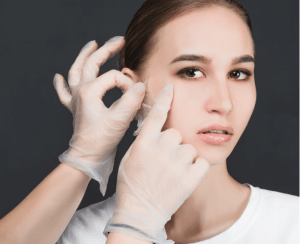

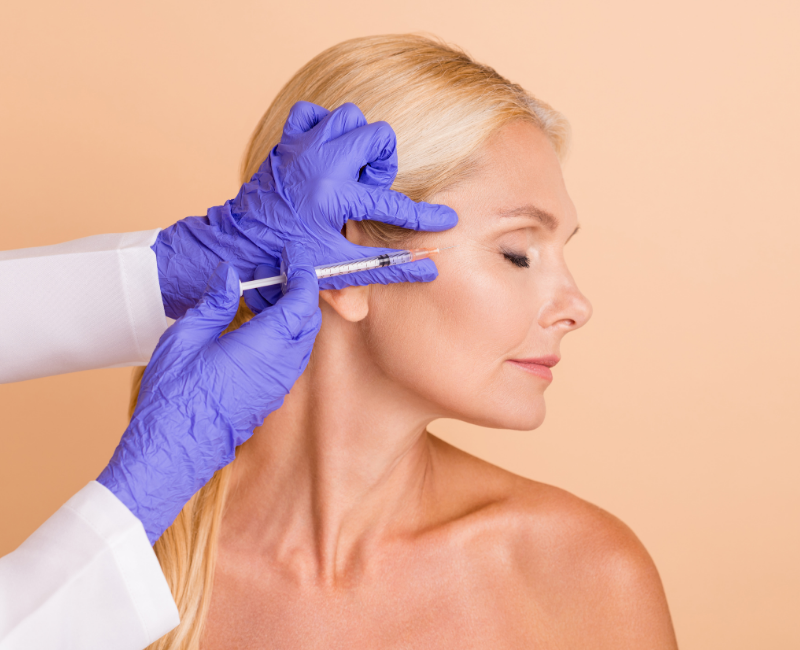
Botox treatments are among the most popular ones when it comes to skin rejuvenation and aging signs prevention. This type of product is widely used for both cosmetic and medical purposes and has been shown to significantly improve one’s quality of life. And whilst we are perfectly aware of its positive effect on the appearance, the influence of botulinum toxins on one’s mental health is rarely discussed. Research published in the Journal of Psychiatric Research claims that there are promising results in major depressive disorder (MDD) management with the help of botulinum toxin. This article will uncover some essential topics in this discussion, so let’s dive in together.
Is Botox Able to Enhance One’s Mood?
Have you ever heard about the facial feedback hypothesis? It claims that facial expressions can affect mood, so they not only reflect our true feelings but also send signals to the brain that determine how we should feel. One of the simplier example is frowning – it signals sadness, which can then transform into deeper emotions, such as anxiety or despair.
Botox is an injectable that relaxes facial muscles and prevents their contraction, helping avert the formation of negative facial expressions. This way, the intensity of the emotions associated with those expressions lessens, which has a positive effect on patients’ mood. The brain receives fewer negative signals from the face, which may be why one’s mood improves. Botox acts as a tool for breaking the cycle of negative emotional feedback by reducing the frequency of frowning and squinting. For some people, these changes may be quite life-changing, especially to those who must deal with depression and other mental health disorders. Botox is an excellent alternative treatment, as sometimes traditional options, such as therapy, pills, etc., cannot provide the desired results and leave people unhappy with the outcomes.
Another topic we should pay attention to is Botox for treating chronic migraines and TMJ, because these issues are often associated with mental health conditions and are worth noting. Once taken under control, they don’t affect patients’ mental health so severely, which is why they may notice a slight improvement in their mental health. Physical discomfort is a known factor that worsens MDD, so it shouldn’t be disregarded and must always be considered and discussed with a medical professional. Additionally, Botox should only be obtained through a trusted Botox supplier to guarantee safe handling and authentic products.
Can Botox for Mental Health Be a Revolutionary Discovery?
Well, the answer to the question is yes and no. Yes, the results are very promising, and some studies indeed demonstrate significant reductions in depressive symptoms and mood elevation. However, there’s another side to the coin. Some studies have shown practically zero results, finding little to no evidence of improvement in one’s quality of life. For instance, a few of those revealed that participants were happier right after the injection session, but this didn’t reflect in their overall quality of life later.
What do these mixed signals mean? The main point is that further research must be conducted in order to determine how exactly Botox can enhance one’s mental health. Currently, botulinum toxins can’t be considered a standard therapeutic practice to treat MDD, even though they demonstrate great potential. Think about it as a supplementary treatment rather than a replacement or a reliable substitute for psychotherapy and antidepressants.
Is Botox Mental Health Improvement Real?
Recently, there have been discussions that people who received Botox injections demonstrated a significant improvement in their mental disorders. Clinical research has found that reported anxiety was 22% to 72% less common in patients treated with Botox compared to other treatments. That may be caused by a few factors. For example, Botox can relieve conditions like chronic migraines and tension headaches, which directly reduces stress and improves mood, thus one’s mental conditions as well. On top of that, meta-analyses indicate a 45%-55% reduction in depressive symptoms after a Botox treatment. So yes, even though there’s no direct relation between Botox and treating psychiatric disorders, it is still believed that it has an antidepressant effect that typically lasts three to four months, as patients receiving Botox often report enhanced self-esteem and reduced social anxiety due to improved appearance.
A Few Words About Emotional Experience with Botox
In order to explain this topic, an interesting study was conducted. The control group of patients went through the functional magnetic resonance imaging (functional MRI) of their brains, during which they were shown photos of angry and happy faces mixed with neutral pictures. Women who received Botox injections reported less emotional response to emotionally arousing video clips compared to those who received facial fillers. What does it actually mean?
Botox injections can affect the processing of emotional faces in the brain, particularly in the amygdala. Moreover, the inability to express emotions due to Botox can hinder non-verbal communication between individuals, making understanding more difficult.
Can Botox Affect One’s Emotional Expressivity?
Even though some people report a ‘frozen’ face appearance after a Botox overdose, the probability of it is quite low. Unlike traditional psychiatric medications, Botox side effects are generally localized to the injection site, such as temporary bruising or headaches. However, if the issue does happen, the best thing to do here is to just wait. Muscles should regain their activity eventually, so a person won’t feel like an emotionless robot. It should take no longer than 4 months (some people see the improvement faster; it depends on one’s body peculiarities). It is recommended to practice facial exercises to regain mobility in facial muscles faster
There is a study that states that Botox treatment can lead to decreased activation of brain regions associated with emotional processing, such as the amygdala. However, that’s only an investigation, so further clinical trials must be conducted to prove the hypothesis and claim that it’s true.
There’s also a facial feedback hypothesis that states that facial expressions play a crucial role in better emotional regulation. When we frown or feel tension, the brain receives the signal that we’re stressed, thus it reinforces negative emotions. Thus, people with anxiety disorders can highly benefit from this treatment.
What Is the Future of Botox for Mental Health Disorders?
As we’ve already stated, botulinums cannot be considered a reliable substitute for traditional depression regulators, such as therapy and antidepressants. However, the newfound link between Botox and mental health opens new paths for depression treatment. Even though the results of current research are quite promising, it’s not entirely clear how the mechanism underlying Botox’s impact on mood works, so further studies are required. There is a chance that soon Botox will become a substantial part of the treatment plan for people who suffer from depression, especially if combined with more traditional procedures and products. For now, we are pleased with the results this medication provides and look forward to more information on this topic from specialists.
The Summary: Botulinum Toxin Type A and Mental Health
Even though Botox doesn’t show any significant effects when it comes to dealing with serious mental health conditions, it can still be quite helpful with one’s self-esteem and their self-perspective. The studies related to the effect of botulinum toxin injections on treating mental disorders are now being conducted, so we will probably see more fascinating data in the future.