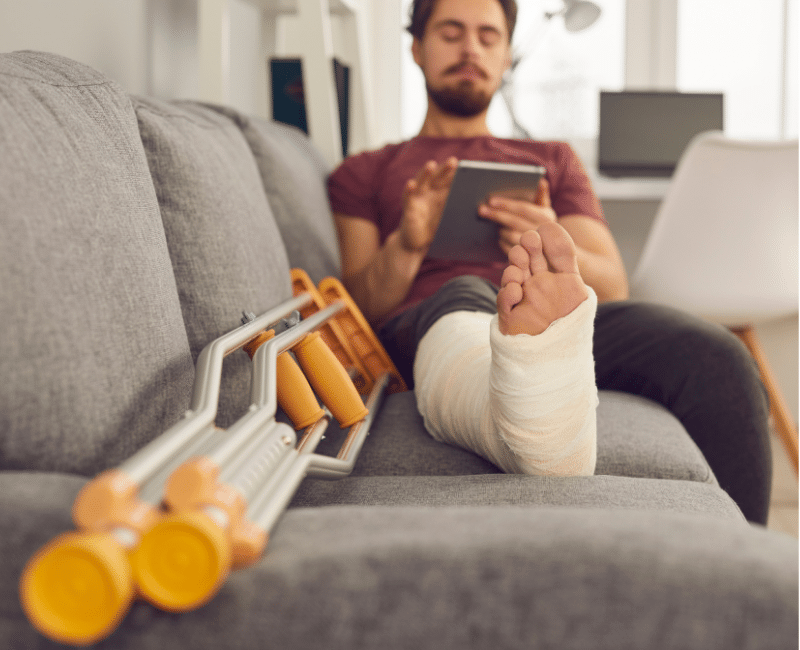
Living through an injury, whether from a car accident or workplace incident, can change life in ways most people don’t expect. A lot of people head back to their normal routines or daily grind before they’re really ready. They might seem okay on the surface, but on the inside, they’re battling anxiety, fear, ongoing stress, or pain that makes trivial activity tough.
Recent statistics show that around 1.19 million lives are lost every year in road traffic accidents, while another 20 to 50 million people suffer injuries that aren’t even fatal. Many of those injuries leave lasting physical problems and deep-rooted emotional scars. Those statisticians represent real human beings who are not only trying to heal their bodies but also grappling with heartache, trauma, and emotional exhaustion.
This is where counseling can make a significant difference. Understanding this connection can help individuals heal more fully and regain control of their lives. Recovering from an injury isn’t only about fixing what’s broken on the physical side, it involves the mind, emotions, and overall well-being. When we recognize that connection, it opens the door to more complete healing and helps people feel like they’re truly taking back control of their lives.
Different Impacts of Injury or Accident
Injuries affect people in layered and complex ways. While we often focus on the physical damage of broken bones, strained muscles, and chronic pain, the emotional impact can be just as significant.
Emotional Shock and Fear: After an injury, many people experience fear or shock that lingers long after the event. Car accident survivors, for example, may feel anxious driving again or even being a passenger. Workplace injury survivors might fear returning to their job site. Children who experience a sports-related accident, such as a skate injury, may become afraid of skating again or even participating in similar activities.
Stress About Work and Responsibilities: When an injury interferes with someone’s ability to work or perform daily tasks, stress levels can skyrocket.
Changes in Identity and Independence: Injuries can make people feel less capable or independent than they once were. Someone who was once active or self-reliant may struggle with asking for help or accepting limitations.
These emotional responses are extremely common, yet many people don’t talk about them because they feel pressured to “be strong” or “move on.”
Injury Recovery
Recovering from an injury is all about getting your body working properly again, finding emotional balance, and bringing back that sense of normalcy and enjoyment in everyday life. It involves more than medical treatments. It includes how a person adapts mentally and emotionally to the healing journey.
True recovery includes:
● Physical healing: medical care, physical therapy, rest, medications.
● Emotional healing: coping strategies, stress management, processing trauma
● Lifestyle adjustments: redefining routines, rebuilding confidence, adapting to new limitations
● Support systems: family, friends, healthcare providers, therapists
The process is rarely linear. Some days feel like progress while others feel like a setback. Counseling can offer steady guidance during these unpredictable phases.
Injury is Linked to a Person’s Emotional and Mental State
The mind and body are deeply connected. When the body experiences physical trauma, the brain and emotions react as well. Pain can disrupt sleep, concentration, and mood. Fear can keep the body in a constant state of stress. Uncertainty can trigger overwhelming thoughts. Pain increases stress, and stress can actually make pain feel worse. This creates a stress and pain cycle that is hard to break without support. Injuries often make people feel powerless. Losing the ability to move freely, work normally, or maintain routine can shake a person’s sense of stability. This can cause a person to lose their sense of control which may hamper their day to day activity. Sometimes the mind keeps replaying the moment of injury as a bad movie stuck on a repeat. That can leave someone always on edge.
Counseling helps individuals understand these emotional reactions and develop healthier ways to manage them. It helps people make sense of those messy emotional reactions like constant worry, or that heavy feeling of sadness, and figure out healthier ways to handle them.
Counseling Supports Injury Recovery
Counseling opens a doorway to talk openly about their fears, frustrations, and emotional experiences during recovery. A trained counselor can help injury survivors process what they’ve gone through and create strategies for coping with the changes in their lives. Here’s how counseling supports the recovery journey:
Emotional Processing: Pain management doctors help individuals express and understand emotions they may have suppressed or overlooked. Talking things out can relieve emotional weight.
Managing Stress and Anxiety: Trained medical professionals teach stress-reduction techniques such as breathing exercises, grounding methods, and healthy mindset shifts.
Building Resilience and Confidence: Therapy helps people rebuild confidence in their ability to function, return to work, or engage in daily tasks again.
Pain Management Support: Counselors can introduce mental coping strategies for pain, including cognitive-behavioral therapy techniques, mindfulness, and relaxation methods.
Addressing Trauma: For those who experienced a traumatic accident, counseling can reduce symptoms of PTSD or strong emotional reactions tied to the incident.
Benefits of Counseling During Injury Recovery
When mental health improves, individuals often find it easier to stay consistent with their physical recovery as well. Counseling has numerous short-term and long-term benefits for people healing from injuries:
● Better emotional balance
● Improved ability to handle stress
● A more positive outlook during setbacks
● Stronger mental tools for coping with pain
Ending Remarks
Getting better after an injury is not just about healing the body, it’ s an emotional journey too. You’re often dealing with ongoing pain, waves of stress, that nagging fear something bad will happen again, and a whole lot of frustration when things don’t go as you think. Some days, it can honestly feel too much and you wouldn’t know how to move forward.
That’s when counseling comes in. It’s like having someone in your corner who offers steady support and gentle guidance without pushing too hard. They help you sort through the tough feelings, show you simple ways to cope and give you practical tools you can actually use day to day. With time, recovery feels less overwhelming and more manageable.
When we take care of both the physical wounds and the emotional fallout from an injury, true healing can happen. People end up feeling whole again and start to get that sense of being in charge of their own lives back. If you or someone close to you is still having a tough time after an accident or injury, talking to a counselor can be one of the best moves you make. It’s a real step toward building lasting strength and feeling steady again in the long run.