
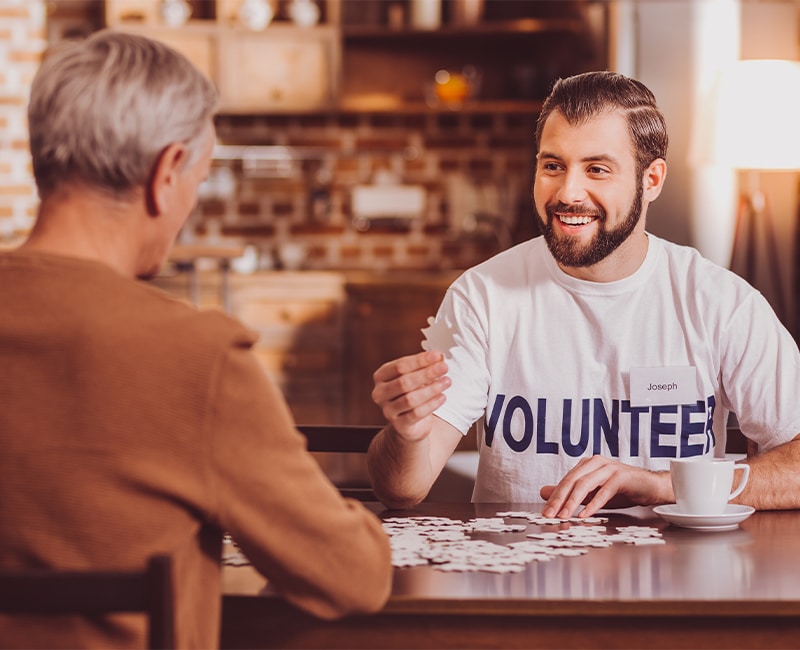
For some people, giving their time to others is a significant part of their lifestyle. Volunteering supports mental health in many ways. Several studies have proved lending a hand to those in need can increase your happiness and help you lead a purposeful, satisfying life. Here are seven benefits volunteering can bring to your psychological health.
Volunteering and the Reward System
The brain comprises several structures, including those located along the dopamine pathways, which are part of the reward system. This reward system is activated when you engage in activities that give you joy, like volunteering or eating your favorite food. It releases dopamine that makes you feel happy and puts you in a better mood.
Dopamine is called the pleasure molecule. This neurochemical affects your mood, emotions and behaviors. It’s like a wonder drug that makes you instantly feel good. However, too much dopamine harms the brain. Healthy stimuli, like volunteering for a cause, are keys to getting your hits of pleasure hormones without negative side effects.
7 Benefits of Volunteering on Mental Health
Helping others can trigger chemical changes in your brain, which can positively affect your mental health. For some people, it gives their life a direction. Here are seven mental health merits of volunteering that will convince you to try it at least once.
1. It Reduces Stress
Stress is an inevitable part of life, prompted by frustrations in career, relationships, family responsibilities and school obligations. Unresolved pressure can compromise your mental health.
If you feel overwhelmed by stress, why not use your weekend for meaningful, unpaid work? Volunteering when you’re physically drained might sound counterintuitive, but doing so can relieve your mental strain. Sometimes, the pressure you experience is exacerbated by the mind. You feel exhausted even if your body is fine. In this case, volunteering can be a remedy.
One study found that medical students who volunteered for clinical and nonclinical roles had lower perceived stress. Students who aim to be doctors face more pressure than others because of the excessive academic demands. That’s why they often operate at high-stress level baselines. However, community service integrated into their curriculum proved to help ease pressures and normalize their biochemistry.
Volunteering can be an effective way to cope with stress and maintain your mental well-being.
2. It Makes You Happy
Giving up your time for others can increase your happiness by promoting feelings of worthwhileness, social connectedness and overall life satisfaction.
Several factors contribute to unhappiness, including unfulfilling careers, unhealthy relationships and social media. The fear of missing out after seeing your friends do well online can trigger negative emotions like jealousy, which makes you feel miserable. Similarly, those who have jobs that only pay the bills but don’t satisfy their life’s purpose also fall into the pit of unhappiness.
Volunteering can make you happy in several ways. For one, helping others makes you feel what you do is important. Having others rely on you for support validates your self-worth and motivates you to engage in purposeful activities more.
It also allows you to make a difference in others’ lives, which gives your life meaning. Some see this positive influence as a better accomplishment than a job promotion.
3. It Gives a Sense of Purpose and Meaning
Many people believe their existence is more than just about themselves. After achieving their personal goals, most turn to philanthropic work to find their life’s purpose. This is why incredibly wealthy people — even if they have it all — are active participants in volunteering programs. By helping others, they can give back to their community and achieve personal satisfaction in return.
The main driver for this behavior is the need to feel significant and belong, which is associated with happiness. Knowing their work matters and that people benefit from the charities they volunteer for gives them joy.
4. It Promotes Social Well-Being
The forced isolation and quarantine during COVID-19 lockdowns resulted in multiple negative mental health outcomes, such as anxiety, detachment from others, insomnia and post-traumatic stress symptoms.
Mental health encompasses social well-being. Like sleep and food, interactions with others are considered a basic need because humans are social creatures. Involuntary withdrawal can increase feelings of loneliness and the risk of emotional issues. These outcomes are apparent in older people who can no longer socialize as frequently as they used to because of their declining health, forcing them to stay at home most of the time.
Volunteering is an excellent avenue for people with shared interests to mingle with others and satisfy their social needs. If you work from home and are cooped up indoors, giving up a fraction of your free time to help others has mutual benefits for your psychological well-being.
5. It Boosts Your Confidence
Participating in community activities without expecting anything in return can increase your self-esteem and pride in yourself. Additionally, you learn valuable skills that give you a sense of accomplishment in many ways.
For instance, volunteer firefighters receive training and learn how to provide emergency medical services, help with search and rescue, or do administrative work. Frontline or behind the scenes, your every contribution matters to victims, especially in ensuring immediate emergency response. In the past years, the number of volunteer firefighters dropped by 4%, which made operations challenging for many stations.
Volunteering can help address the shortage of responders and keep your community safe. In turn, it boosts self-efficacy and trust in yourself.
6. It Increases Physical Activity
Many volunteer programs require you to move, which is what you need to maintain physical health. As you know, anything that benefits your body is also good for the mind.
Fitness philanthropy is a form of volunteerism used by charities to raise funds for certain social and health causes. It incorporates sports, like running, biking, hiking and other outdoor activities. Typically, you sign up by donating a small amount, which then goes to the beneficiary.
Participating in activities, such as a run for a cause, can boost your physical and mental health. Exercise can reduce oxidative stress and inflammation. Researchers also found running to be as effective as antidepressant medication in easing depression and anxiety disorders. Outdoor volunteer events offer a fun solution to a sedentary lifestyle.
If your work involves sitting in front of your computer all day, why not try signing up for sports for a cause in your local area? In addition to helping you get in shape, running or biking will put you in a better, more positive mood.
7. It Opens New Perspectives on Life
Meaningful experiences also broaden your perspectives on life and impart life-changing lessons that will stay with you. For example, volunteering for a nonprofit organization for a beach cleanup increases your awareness of plastic pollution and the various adverse effects of microplastics on marine life and human health. This learning rabbit hole eventually leads you to better understand climate change and discover more of its impact on the planet.
Such an example is just one of the many ways you learn from joining volunteering events. You become conscious of the world’s social, environmental and health issues. The knowledge then empowers you to change your life and contribute to the solution in your own way.
Volunteer for Your Passions
The most crucial factor to consider when volunteering is your interest in them. When you’re passionate about something you’re helping out with, you stay committed to it for a long time. As a result, you’ll likely do it more since it brings you happiness and meaning.
Consider volunteering for programs related to your hobbies if you don’t know where to start. If you love swimming or scuba diving, help clean the oceans. If you love painting, offer classes for a fee and use the money to buy art supplies for underserved schools. You can use your skills to raise funds or volunteer for causes you care about.
Always consider how you feel when doing these activities. Investing positive emotions in a cause brings fulfillment and life satisfaction and promotes effective contribution. Like work, when you love what you do, your genuine interest translates into enthusiasm and dedication, which benefits those you are helping.
Finding Volunteering Opportunities
There are several ways to find volunteering programs that add value and meaning to your life. Here are some tips.
- Search for websites: You’ll find thousands of volunteering opportunities online. Websites like the American Red Cross and AmeriCorps are good places to start. Search for “volunteer opportunities” and include your city to filter local postings.
- Ask family or friends: A senior center in the neighborhood might need volunteers to provide companionship care for older people. Ask your network if they know of any way you can lend a hand.
- Try local organizations: Inquire at schools, universities and nonprofits if they need community service volunteers.
- Join sports for a cause: Search your social media for upcoming volunteer events. If you have athletic friends, they’re usually up to date with this kind of activity. Ask them if they can refer one to you.
Volunteering Is Good for Your Mental Health
Giving a lending hand to important causes increases your happiness and boosts your mental well-being. Becoming a volunteer is a meaningful way to spend your free time. If you’re feeling low, it might be a call to embark on a journey to seek your life’s purpose. Sign up for a volunteering event and see where it will take you. Many people who start as volunteers do so out of a whim, but it later becomes their life’s calling.


