

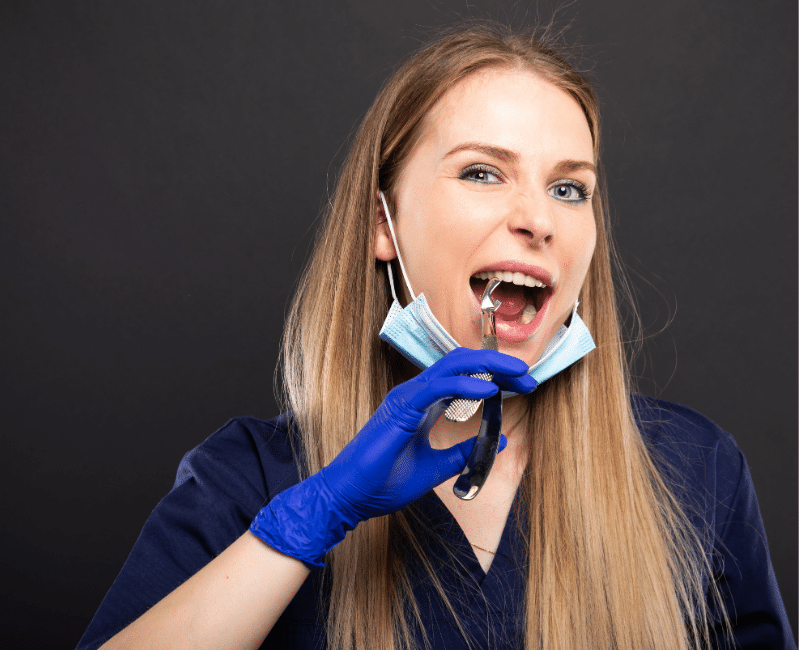
For a long time, the psyche and the general state of the body were considered separate phenomena. However, science has had to acknowledge that a person is truly healthy only when they feel well both physically and mentally. Stress and anxiety increase levels of cortisol and adrenaline, which affect internal organs. Conversely, any physical illness causes increased worry. Even a common issue like dental caries (cavities) can affect a person: they may feel ashamed to smile, feel less confident, and avoid social contact or become more withdrawn.
The way mental state affects oral health (and vice versa) deserves special attention. Some facts are truly surprising!
Psycho-emotional State and Healthy Habits: Where is the Link?
Anxiety, chronic stress, and emotional burnout are factors that deplete the body’s cognitive resources. A person may feel they lack the strength for things that previously seemed routine or even automatic: washing their face in the morning, taking a shower, or brushing their teeth twice a day. These tasks begin to seem overwhelming when the only thing one has the energy for is staring at a wall or mentally preparing just to have a snack in the evening.
Depression and Neglect of Oral Hygiene
The worsening of a depressive episode is accompanied by a lack of energy for even the most basic tasks. Self-care can become exhausting and be perceived as insignificant. In this state, it is common for people to skip brushing their teeth. Drinks, food, and tobacco smoke quickly cause plaque buildup and tooth discoloration. Lack of regular hygiene can lead to more severe problems, such as caries, gum inflammation, and more.
Furthermore, there is often no energy left to visit a dentist. Sometimes, one appointment would suffice, but the problem goes unresolved, deepens, and eventually, treatment becomes more expensive and requires more visits. Realizing this can trap a person in a “vicious cycle”: treatment requires energy, which is nonexistent, leading back to another cycle of depressive feelings.
Dietary Changes Due to Stress: Impact on Oral Health
One typical reaction to anxiety and stress is “stress eating” to cope with unpleasant feelings. The diet often sees an increase in sweets, sodas, and other high-carbohydrate products. Such a diet increases acidity and, overall, creates an ideal environment for bacteria that negatively affect tooth enamel.
When multiplied by the neglect of self-care, this becomes a “time bomb.” The consequences are not immediately visible, but unfortunately, they are inevitable.
Bad Habits: An Additional Risk Factor
Increased anxiety and other negative emotions can be so unbearable that they push a person toward harmful habits, such as smoking. Tobacco smoke discolors tooth enamel very quickly and, even worse, makes it brittle. Caries develop faster, fillings may fall out, and teeth may become loose. The condition of the gums can also become catastrophic, leading to inflammation, changes in tissue structure, and many other consequences.
Why Do Inflammatory Processes Worsen Under Stress?
It is not just energy levels that drop; the entire “hormonal cocktail” filling the body changes. Stress hormones increase, neurotransmitters function less effectively, and dopamine levels plummet.
A shift in chemical balance causes wounds to heal more slowly, while inflammatory processes become more severe and prolonged. The body’s resistance to bacteria, infections, and viruses significantly decreases.
Bruxism: A Physical Manifestation of Emotional Tension
Bruxism shows up as nighttime teeth grinding. This issue can go unnoticed for a long time, especially if a person lives alone. Regular grinding is caused by the forceful clenching of the jaw during sleep. The most common reason for this problem is persistent stress, which builds up muscle tension that manifests involuntarily even while asleep.
From a dental perspective, this issue is addressed by fitting mouthguards (night guards) to protect the teeth from wear. However, this only treats the symptoms: enamel erosion, cracks, chips, headaches, and pain in the temporomandibular joint (TMJ) area.
To truly combat the root cause, deeper work is required:
- Psychological consultations help find healthy ways to express and release internal tension and process acute emotional states.
- Psychiatric consultation is necessary if the cause goes beyond purely psychological factors and requires pharmacological support.
Dentophobia: Why Does It Occur and What to Do?
Another aspect of the link between psychological issues and oral health is the fear of visiting the dentist. The causes vary:
● Past trauma – negative associations from previous dental visits.
● Fear of judgment. A patient may fear hearing comments like, “Where have you been all this time?” or “Why haven’t you seen a dentist sooner?”
● Fear of dental instruments – the anxiety triggered by the sights and sounds of clinical tools.
Regardless of the cause, the result is the same: the person is terrified of booking an appointment and even more scared to start treatment.
How to Cope?
It is vital to have at least minimal support – a loved one who can accompany you to the clinic or offer words of encouragement. A therapist can also help a person process their pain and fear before they ever step into a dental office.
It is highly advised to choose a clinic where emotional comfort is a core part of their philosophy. For instance, at VIP Dental Care, empathy for the client’s emotional needs is a mandatory service standard. The atmosphere there is conducive to relaxation and feeling safe during procedures.
Psychologists also advise informing your doctor about your fears regarding procedures or specific instruments. It allows the dentist to know exactly how to calm you and how to communicate effectively. In some cases, they may suggest treatment under sedation (general anesthesia), allowing the patient to avoid unnecessary distress entirely.
Self-Esteem and the Smile: A Close Connection
It is not only the psyche that affects our physical state, but also the other way around. A healthy smile helps a person feel confident, encourages them to smile more often, and helps maintain social bonds. Quite often, depressive states and feelings of isolation are deepened specifically because a person is ashamed of their teeth.
A healthy smile acts as a positive impulse for the mind. After completing dental treatment, patients feel better because they perceive themselves in a new light. This boost in self-esteem and self-belief greatly enhances their life overall.
A Holistic Approach to Health: The Best Solution
A holistic approach to recovery works best. Caring for your mental state and working with a psychotherapist provides the strength needed to practice self-care and return to a resourceful state. On the other hand, improving physical health helps get life back on track. This comprehensive approach is a philosophy that helps maintain balance.
How to Maintain Dental Care During Difficult Life Periods
Unfortunately, when burnout, stress, or anxiety take over, returning to that desired state of balance and well-being can feel like an impossible task. It is important to start moving with baby steps. Each one is a small victory.
Sometimes, the simplest actions can act as a lifeline, helping minimize damage and gradually restore physical and mental health:
- Do the bare minimum. If you don’t have the energy to brush for a full two minutes, do it for at least 30 seconds.
- Keep self-care items in sight. Place your toothbrush on the kitchen counter or even somewhere in your bedroom. This visual cue helps you not to forget about hygiene.
- Drink a little more water. It is a particularly useful strategy if you are anxious or taking antidepressants, as they can cause dry mouth. Less saliva reduces your enamel’s natural protection. Regular hydration helps lower acidity and lowers the negative impact on tooth enamel.
- Use reminders. Put a sticky note on the mirror or fridge, or set a notification on your phone.
- Don’t hesitate to discuss your emotional state with your doctor. This helps the dentist create the most gentle treatment plan possible, ensuring it doesn’t overwhelm you.
Concluding Thoughts
Stress affects your teeth, and the condition of your teeth impacts your self-confidence. These things are interconnected, but neither should be a reason for guilt. On the contrary, acknowledging this can be the first step toward inner harmony and an effective self-help tool. These are the decisions that help restore confidence and normalize the quality of your life. This, in turn, facilitates a return to social circles, a more active professional life, and other positive changes.
Start with the art of small steps, as they are what help you navigate even the most difficult periods of life.