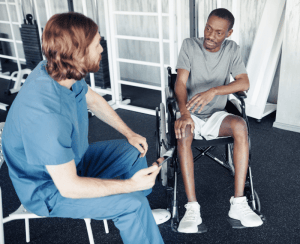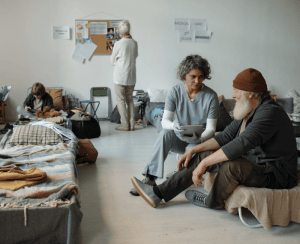


Healthcare often gets reduced to charts, prescriptions, and procedures, but the real weight of it sits in quieter moments. A patient gripping a bedrail before surgery, a family member sitting in a hallway waiting for news, a teenager too anxious to explain what hurts. These are the moments where nurses step in, not just as clinicians but as steady human presences. Their role in mental health support has grown into something far broader than most people recognize, shaping recovery in ways that medication alone never could.
Where Nursing Education Meets Emotional Care
Nursing education has shifted noticeably over the past decade, and mental health awareness now sits at the center of how new nurses are trained. Programs are placing greater emphasis on emotional intelligence, communication under pressure, and the ability to read what a patient is not saying out loud. An associate nursing degree builds this groundwork early, pairing classroom learning with clinical exposure so students develop both the technical skill and the human sensitivity the role demands. Graduates leave prepared to handle bedside complexity, but also to recognize when a patient needs someone to simply listen. That blend of competence and compassion is what hospitals lean on every shift.
Listening as a Clinical Skill
Most people think of listening as a soft skill, but in a hospital setting, it becomes a diagnostic tool. A nurse who pays attention to tone, pauses, and small contradictions in a patient’s story can pick up on depression, anxiety, or trauma long before a formal screening catches it. Patients tend to open up to nurses because nurses are the ones who reappear, hour after hour, checking vitals, adjusting pillows, asking how the night went. That repetition builds trust, and trust is often the doorway to honest conversations about mental health. A patient who would never bring up suicidal thoughts during a five-minute consultation might mention them quietly to the nurse refilling their water pitcher at three in the morning.
The Weight of Being Present
Being present is harder than it sounds. Nurses carry the emotional load of multiple patients at once, each with their own fears, family dynamics, and unspoken worries. They learn to shift gears quickly, moving from a patient celebrating a clean scan to one who has just received devastating news. That kind of emotional flexibility is exhausting, but it is also where the human side of healthcare lives. A nurse who can sit with a grieving parent without filling the silence with empty reassurance is doing something deeply therapeutic. Presence, when offered with intention, is its own form of care.
Recognizing Mental Health in Physical Symptoms
Mental and physical health are tangled together in ways that are easy to miss. A patient complaining of chest tightness might be having a panic attack rather than a cardiac event. Recurring headaches, sleep disturbances, and unexplained fatigue often trace back to anxiety or depression. Nurses are usually the first to notice these patterns because they spend the most time with patients across a shift. By documenting subtle signs and raising them with the wider care team, nurses help ensure that mental health does not get overlooked while everyone focuses on the physical complaint that brought the patient in.
Supporting Families, Not Just Patients
The mental health side of nursing extends well beyond the bed. Family members watching a loved one go through a serious illness experience their own emotional crisis, and nurses are often the ones who walk them through it. A short conversation in a hallway can ease panic, clarify confusion, and prevent a family from spiraling into helplessness. Nurses explain procedures in plain language, answer questions that have been circling unspoken for hours, and gently set expectations for what comes next. That guidance does not show up on a treatment plan, but it changes how families cope, which in turn affects how patients heal.
Working Through Burnout
The same emotional depth that makes nurses so effective in mental health support also puts them at risk. Compassion fatigue, secondary trauma, and burnout are real, and the profession has only recently started talking about them openly. Strong workplaces now build in peer support, debrief sessions after difficult cases, and access to counseling for staff who carry heavy emotional loads. When nurses are supported, they show up better for their patients. When they are not, the entire care experience suffers. Recognizing nurses as humans with their own mental health needs is no longer optional; it is essential to keeping the profession sustainable.
Building Trust in Vulnerable Communities
Trust in the healthcare system varies widely, and certain communities have long-standing reasons to be cautious. Nurses often carry the weight of rebuilding that trust, one patient at a time. They do this by showing up consistently, respecting cultural context, and avoiding the kind of clinical detachment that can make people feel processed rather than cared for. In mental health especially, where stigma still runs deep, a nurse who treats the conversation with warmth and confidentiality can be the reason a patient finally agrees to follow up with a therapist or psychiatrist.
The Quiet Acts That Add Up
Mental health support in nursing rarely looks dramatic. It looks like remembering a patient’s daughter’s name and asking about her. It looks like dimming the lights when someone is overstimulated, or holding a hand without saying anything during a hard procedure. These small acts accumulate over a shift, a stay, a recovery, and they shape how patients remember their experience long after they leave. People may forget the name of the medication they were given, but they tend to remember the nurse who treated them like a person.
The role of nurses in mental health support is one of the most underappreciated parts of modern healthcare. They are the steady thread between clinical treatment and human experience, holding both at the same time and making sure neither gets lost. In a system that can feel impersonal and rushed, nurses keep the human side alive, and that is what continues to make healing possible.