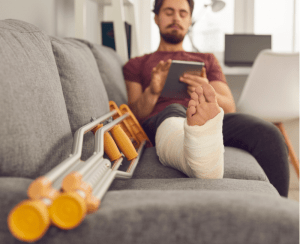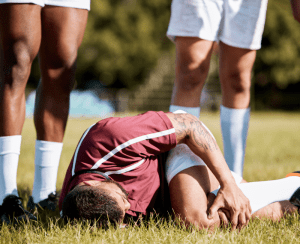

When a vehicle collision or a workplace disaster occurs, the focus almost always lands on visible injuries. Broken bones and lacerations demand immediate attention because they are easy to see and quantify. However, the internal damage to a person’s mental well-being is often far more persistent and harder to repair than any physical wound.
Ignoring the psychological impact of a crash is a mistake that can stall physical healing. Emotional trauma isn’t a sign of weakness; it is a physiological response to an extreme event. Understanding the necessity of professional mental support is the first step toward regaining control over a life that feels suddenly derailed.

How Does Counseling Address Post-Traumatic Stress Disorder
Post-Traumatic Stress Disorder (PTSD) is frequently misunderstood as something that only affects combat veterans, but it is incredibly common after severe car accidents. Counseling provides a structured environment where an individual can process the event without being judged or rushed. Here are some of the strategies:
Understanding The Cognitive Processing
Cognitive Processing Therapy helps patients challenge and change unhelpful beliefs related to the trauma. By re-evaluating the accident, individuals can reduce feelings of guilt or misplaced responsibility. This shifts the narrative from being a helpless victim to a survivor who is actively regaining their personal agency.
Utilizing Eye Movement Desensitization
EMDR is a specialized technique that uses bilateral stimulation to help the brain reprocess traumatic memories. It allows the patient to store the memory of the accident in a way that no longer triggers a physical fight or flight response. This results in fewer flashbacks.
Developing Healthy Coping Mechanisms
Counselors teach specific grounding techniques to manage sudden spikes in anxiety. These practical tools allow survivors to remain present and focused when they encounter triggers, such as the sound of screeching tires or the sight of a similar vehicle. This builds confidence in daily life.
Why Does Mental Health Impact Physical Healing
The human body and mind are not separate entities operating in isolation. When a person experiences a traumatic event, the nervous system often remains stuck in hyper-arousal, constantly pumping out cortisol. This chemical state triggers inflammation and weakens immune responses. By addressing distress through counseling, a patient lowers stress levels. Charlotte car accident lawyers from StewartLawOffices.net, noted that untreated psychological trauma can significantly delay the biological healing of bones and tissue. This allows the body to redirect energy away from fear and toward repairing physical damage.
Research from the National Institutes of Health indicates that high levels of emotional well-being can increase survival rates by up to 10% for individuals living with chronic physical diseases. Think of it like a computer running a heavy background program that drains the battery. Until that task is closed, the system cannot function at full speed. Counseling helps close these background programs of trauma, freeing up internal resources. Prioritizing mental health is not just about emotional comfort, but is a biological necessity for those seeking a complete physical return to health.
What Myths Surrounding Mental Health Must Be Corrected
A common misconception is that time heals all wounds and emotional distress will simply fade away. While time dulls initial shock, untreated trauma often settles into the subconscious, manifesting as depression or insomnia. Waiting for trauma to vanish is like letting a compound fracture set without a cast; it may knit back together, but it will likely stay crooked.
Seeking help won’t hurt a legal claim. Documented mental health treatment is a legitimate component of damages, ensuring defendants remain responsible for the full extent of injuries.
When Should A Survivor Seek Professional Intervention
Timing is everything when it comes to psychological intervention like the Edmonton trauma therapy. If a person finds themselves avoiding driving, experiencing recurring nightmares, or feeling emotionally numb for more than a few weeks, it is time to speak with a professional. Early intervention can prevent the consolidation of traumatic memories, making it easier to resolve symptoms before they become chronic conditions.
It is also important to seek help if the accident has strained personal relationships. Trauma doesn’t just happen to one person; it ripples through families. When a survivor becomes irritable or withdrawn, it can create a secondary layer of stress at home. Counseling provides a space to communicate these struggles effectively, ensuring that the recovery process brings people together rather than pulling them apart.

How Can Practical Steps Be Taken Today
If you or a loved one is struggling, start by requesting a referral from a primary care physician for a therapist who specializes in trauma-informed care. It is important to find a provider who understands the specific mechanics of accident-related PTSD. Additionally, start keeping a daily journal of your moods and triggers. This serves two purposes: it helps your therapist identify patterns, and it creates a contemporaneous record of your recovery journey.
Don’t be afraid to interview multiple therapists to find the right fit. The relationship between the patient and the counselor is the most significant predictor of success. If you don’t feel a sense of trust and safety within the first two sessions, it is perfectly acceptable to look for someone else. Your mental recovery is a priority that deserves the right partnership.
Frequently Asked Questions
Is counseling covered by insurance after an auto accident?
Most health insurance policies cover mental health services, though specific coverage depends on your policy.
Will my therapy sessions remain private during a lawsuit?
Privilege is strong, but legal claims for distress might require disclosing relevant medical treatment records.
Can I use a general counselor, or should I find a specialist?
Trauma specialists are more effective because they use specific tools like EMDR for accident recovery.
What if I don’t feel crazy but just feel different?
Feeling different is a valid symptom of trauma. Counseling helps you return to your baseline.