For some adults, dental anxiety can make it difficult to schedule or return to routine dental care. Triggers vary and may include fear of pain, earlier negative experiences, embarrassment, uncertainty, or feeling a loss of control. Dental anxiety can contribute to avoidance of care and may be associated with poorer oral-health outcomes [1, 3].
Practical preparation may help some adults feel more informed before a visit. Useful steps can include identifying specific concerns, writing down questions, telling the dental team about anxiety in advance, and agreeing on a signal to request a pause [1, 2].
This guide focuses on practical steps that can support a clearer conversation with the dental team and help adults who have delayed care understand the options available to them.
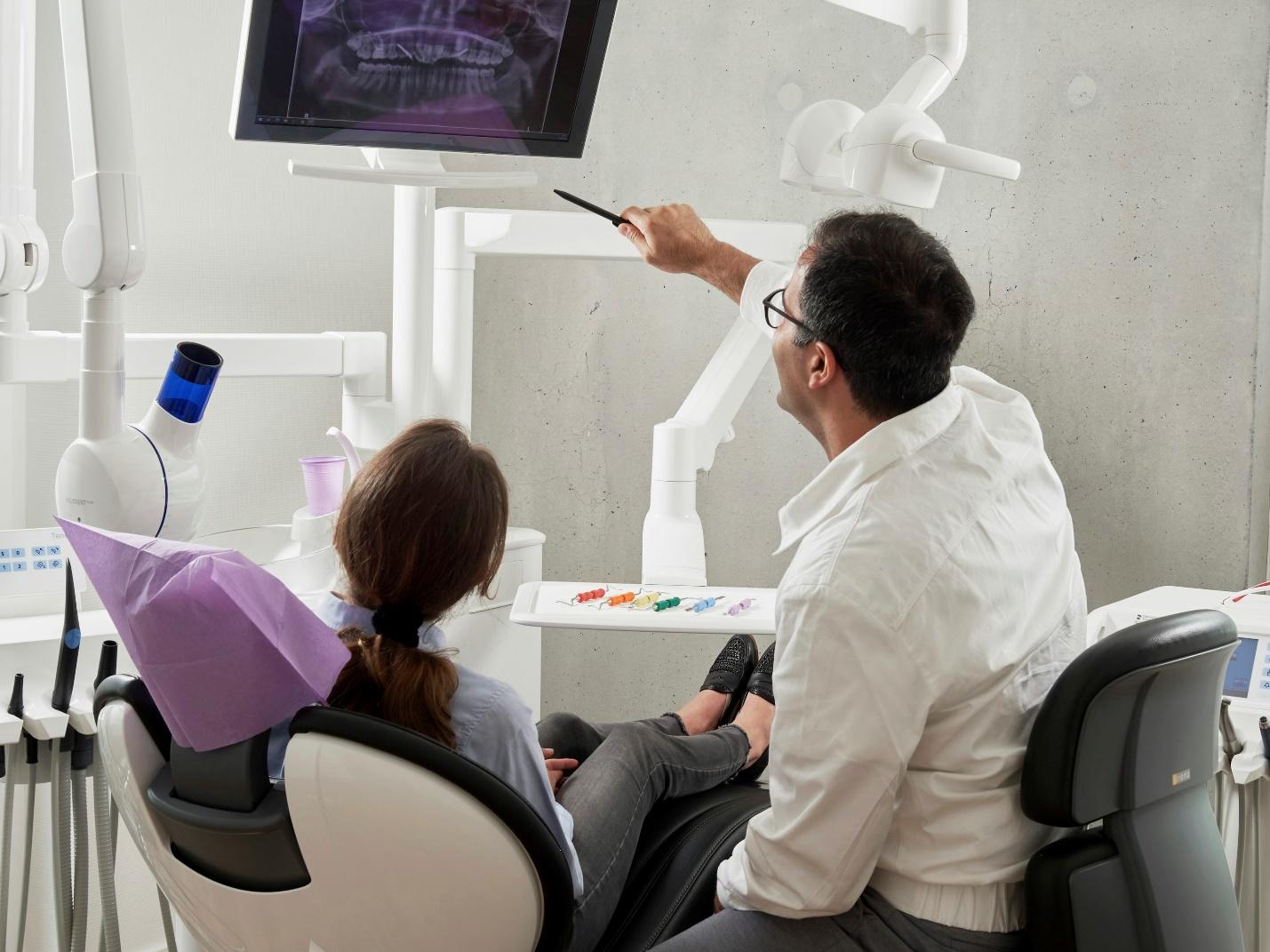
Image source: https://unsplash.com/photos/man-in-white-dress-shirt-holding-black-pen–m-4tYmtLlI
Identify your concerns
Start by identifying which parts of dental care concern you most, because triggers differ between people. NHS England’s clinical guidance recommends assessing specific triggers, such as injections, drilling, examinations, or the dental environment. The American Dental Association also advises patients to share previous negative experiences and specific worries with the dental team [1, 2].
Fear of pain, embarrassment, and feeling a loss of control can all contribute to dental anxiety. For some adults, anxiety may lead to postponing care, which can allow oral-health problems to progress. These reactions vary, so they should be discussed without assuming that every patient has the same triggers or needs [2, 3]. You do not need to describe every past visit in detail. Start with the part that is hardest for you to face. If several things worry you, write them down separately. This gives you a way to explain what you mean when you say you feel anxious, rather than leaving the team to guess.
Prepare before you make an appointment
Practical preparation may help some patients feel more informed before a dental visit. Uncertainty about what will happen or how much control a patient will have can contribute to anxiety. Asking what to expect and agreeing on ways to communicate during treatment, such as a stop signal, may help create a clearer plan for the appointment [1, 2].
Choose an appointment time that feels manageable and allows you to arrive without rushing. Some people may prefer a morning visit because it reduces the amount of time spent anticipating the appointment. Wear comfortable clothing and ask the dental office whether there are any preparation instructions specific to your visit. Keep your notes somewhere you can easily find them when you call or arrive. They do not need to be long or carefully written. A few plain sentences about your concerns and what you want to ask are enough to bring into the conversation. You can use the same notes when speaking with the dentist.
Talk with the dental team
Tell the dental team about your anxiety before the visit and explain any specific fears or previous experiences. Asking questions and agreeing on a stop signal can help clarify what to expect and how to request a pause. Provide accurate information about medications, health conditions, and allergies so the dental team can plan for your individual needs [1, 2].
Dr. Kavitha Gowda, dentist and owner at Perfect Smiles Dentistry emphasizes the importance of clients sharing relevant information with the dental team. She describes the process of dealing with adults who have postponed dental care. “When I see a patient who feels anxious or has been postponing dental treatment, I start by asking, ‘Can you tell me what has been keeping you from coming in? Are you worried about pain, needles, the cost of treatment, or perhaps a previous negative dental experience?’ Understanding your concerns helps me find the best way to make your visit more comfortable.”
She continues, stating, “My goal is to help you feel comfortable, heard and in control. You don’t have to complete everything at once, and you should never feel embarrassed about delaying treatment. We will work together to find an approach that meets your needs and helps you get back to a healthy smile at a pace you feel comfortable with.”
Prepare your questions
Dr. Kavitha Gowda also recommends asking practical questions at the beginning of the appointment to clarify concerns. Asking questions can help patients understand the proposed care and discuss individual needs with the dental team.
You can ask questions like:
- “What treatment do I need, and why?”
- “What options are available to help manage discomfort and anxiety?”
- “What if I feel anxious or need a break?”
Patients can ask the dental team to explain the proposed treatment and address questions before proceeding. If an answer is unclear, ask the dentist to go over it again in words you understand. You can also return to a question later in the conversation. There is no need to work through your list in a fixed order; start with the question that matters most to you and take the discussion from there.
Taking the first step after delaying care
For some people, taking the first step after delaying dental care can feel especially difficult. Anxiety may not disappear immediately, so progress can be gradual. Acknowledge each step without assuming that one strategy will reduce anxiety for everyone. People with severe or persistent dental anxiety may benefit from discussing additional support or evidence-based management options with a qualified dental or mental-health professional [2, 4].
An initial appointment may help patients begin addressing dental problems and establish a plan based on their individual needs. Regular dental care can support earlier detection of some oral-health problems, but treatment needs and outcomes vary. Over time, clear communication may also help patients build trust with their dental team. Think about what you would like to understand by the end of that first conversation. You may want to know what the dentist recommends, why it is needed, or what the next appointment would involve. These are useful points to return to when discussing a plan, especially if you still have concerns about coming back.
A small checklist
Before your appointment
- Understand the roots that have led to this anxiety
- Write down your fears to tell them to the dentist
- Consider which questions to ask
During the appointment
- Communicate with the dentist: Tell the dental team about your concerns. Dental professionals regularly work with patients who experience fear or anxiety and may be able to discuss appropriate support options.
- Establish a stop signal: Before treatment begins, ask whether you can agree on a simple signal, such as raising your hand to request a pause.
- Ask questions: Asking questions may help you understand what is going to happen and feel more prepared.
After the appointment
- Acknowledge the effort: Attending the visit can be a meaningful step. If it feels helpful, note what went well and what you would like the dental team to handle differently next time [2]. Keep this note specific to your own visit. Was there a question you forgot to ask, or an explanation you would like to hear again? Write that down alongside anything you want to keep the same next time. You can bring the note to your next appointment rather than trying to remember every detail later.
Dental anxiety can contribute to delayed care. Because experiences vary, patients should discuss their concerns with a dental professional and seek additional support when anxiety is severe or persistent [2].
References
1. American Dental Association. “Anxiety.” MouthHealthy. https://www.mouthhealthy.org/all-topics-a-z/anxiety
2. NHS England. “Clinical standards for dental anxiety management.” Updated July 19, 2024. https://www.england.nhs.uk/long-read/clinical-guide-for-dental-anxiety-management/
3. “Management strategies for adult patients with dental anxiety in the dental clinic: a systematic review.” Australian Dental Journal, 2022. https://pmc.ncbi.nlm.nih.gov/articles/PMC9796536/
4. Steenen, S. A., et al. “Interventions to reduce adult state anxiety, dental trait anxiety, and dental phobia: a systematic review and meta-analyses of randomized controlled trials.” Journal of Anxiety Disorders, 2024. https://pubmed.ncbi.nlm.nih.gov/38945067/

