


The right wig can restore ease in front of a mirror and comfort during a long day. A thoughtful choice supports scalp health, reduces stress about appearance, and keeps daily routines simple. Style matters, but how the piece fits, breathes, and behaves matters just as much for well-being. When all those parts line up, a wig stops feeling like a compromise and starts feeling like a tool that protects confidence and health.
Fit, Comfort, And Scalp Health
A comfortable fit begins with accurate measurements and a cap size that matches your head shape. If a cap is too tight, pressure points can irritate skin and make you think about the wig instead of your plans. If a cap is too loose, micro-movements can create friction that warms the scalp and invites itching. Adjustable tabs and well-placed combs help, but thoughtful placement and gentle tension make the bigger difference. Soft lining at the front and nape keeps delicate skin calm, especially during warm days or active commutes. A proper fit also allows your natural hair and follicles to rest instead of fighting against the base all day long.
Fiber Choice And Daily Confidence
Human hair, heat-friendly synthetic, and standard synthetic fibers each bring different strengths to daily life. Human hair offers the most natural movement and a finish that accepts heat tools, which can feel familiar if you enjoy custom styling. Heat-friendly synthetic fibers allow careful curling or smoothing, yet they still ask for moderate temperatures and mindful technique.
Standard synthetics hold a set style through weather shifts, which is a relief when you want a predictable shape from morning to evening. Weight and texture influence comfort too, since a lighter fiber reduces fatigue on the neck and scalp. The right fiber choice matches your routine, so confidence comes from knowing exactly how your hair will behave.
Navigating Medical And Sensitivity Needs
Sensitive scalps benefit from silkier linings, low-density styles, and caps without abrasive seams near tender areas. Adhesives and tapes should be patch-tested on small areas of skin to confirm comfort before full wear. If you have questions about shedding or friction, and you are researching issues related to wig hair loss, read carefully and pair guidance with advice from your clinician or stylist. Add a breathable wig liner or soft cap when needed to reduce rubbing at pressure points. Keep an eye on any redness that lingers after removal, since persistent irritation is a signal to adjust fit, materials, or routine. A small change in cap construction or attachment can unlock longer, easier wear without compromise.
Construction Details That Affect Breathability
Cap construction shapes airflow and comfort across long wear. Lace fronts create a natural hairline and let you part with freedom, but they feel best when the lace is soft and trimmed to suit your face. Monofilament tops allow realistic movement at the part, which helps hairstyles look convincing under different lights. Wefted backs improve ventilation and keep the cap lighter, which supports calm skin during warm months. Hand-tied sections reduce bulk and create a gentle drape, which matters when you prefer low-density styles. When construction balances realism with breathability, you can forget you are wearing a piece and focus on the day ahead.
Styling Flexibility Without Damage
Healthy styling comes from using tools and products that respect the fiber and the cap. If heat is allowed, use controlled temperatures and work in sections so strands respond without stress. If heat is not recommended, set shape with cool rollers, water mists, and gentle clips that avoid dents along the hairline. Products should be light and water-soluble so that buildup does not weigh down movement or collect near knots. When you store the wig, place it on a stand that supports the crown and keeps the nape from creasing, which preserves the cut between wears. These small habits give you freedom to change looks while protecting the piece that supports your style.
Maintenance Routines And Hygiene
Clean wigs feel better on the scalp and last longer in rotation. Wash on a schedule that reflects use, skin type, and climate rather than on a fixed calendar, since body oils and product choices affect timing. Use cleansers and conditioners made for your fiber, and rinse thoroughly so residues do not sit near knots or lace. Let pieces dry on open stands where air can reach all sides, and avoid squeezing water through lace fronts to protect the delicate edge. Between washes, a quick detangle from tips to roots preserves movement and reduces shedding at friction points. Regular care keeps the texture lively, color clear, and the cap fresh against your skin.
Addressing Psychological Well-Being
Hair touches identity, which means a wig can ease social stress when it reflects how you want to be seen. The right style can help you re-enter familiar spaces with a sense of continuity after medical treatment or a significant haircut. Comfortable hair also reduces the background noise of self-consciousness during meetings and gatherings. That quiet relief can improve posture, eye contact, and the ease of conversation. Over days and weeks, less worry about appearance frees mental energy for work, family, and rest. Wellness is not only medical, but it is also the sense that you can move through life without distraction from discomfort.
Color, Shape, And Personal Identity
Color influences mood and how others read your expression from the first hello. Warmer tones can soften features, while cooler tones can sharpen and brighten under office lights or daylight. Face-framing highlights create lift without needing heavy makeup, and rooted shades add realism at the part for both short and long cuts.
Shape matters as well, since length, layers, and density change how a neckline sits on a jacket or how earrings show during a call. Trying a few profiles helps you find the balance between daily ease and the spark that makes a style feel like yours. When color and shape align with your taste and skin tone, you get a consistent reflection that supports your sense of self.
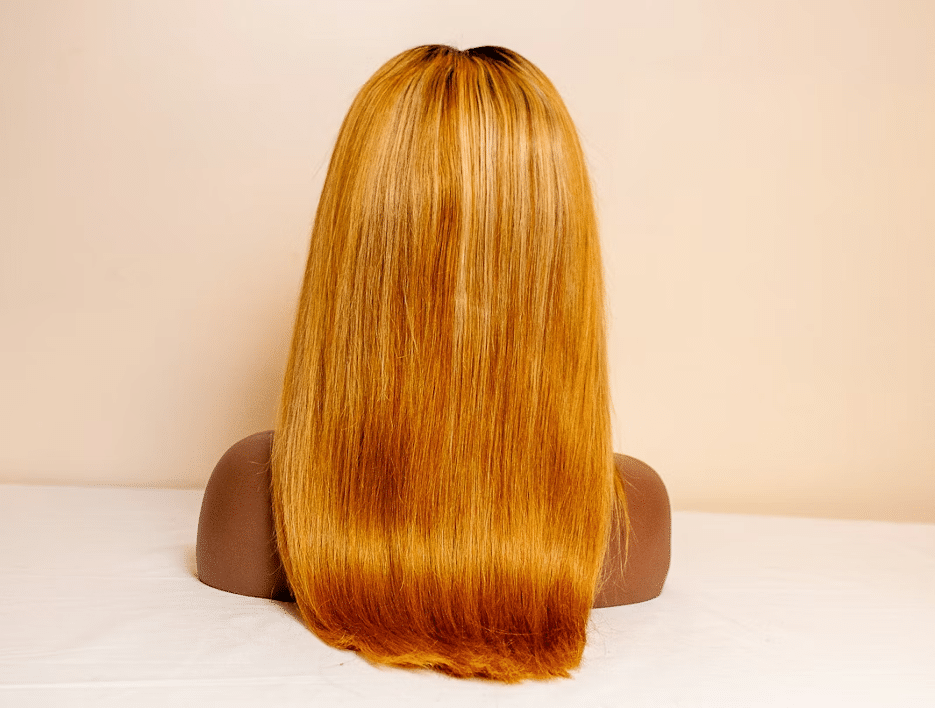
Choosing the right wig is about wellness as much as aesthetics. Comfort, breathability, and gentle care guard your scalp while fiber choice and construction support consistent style. Sensitive needs can be met with softer linings, careful adhesives, and rotation strategies that protect both the cap and your skin. When these pieces come together, a wig becomes an ally that sustains confidence, simplifies mornings, and lets your attention stay on the moments that matter.