
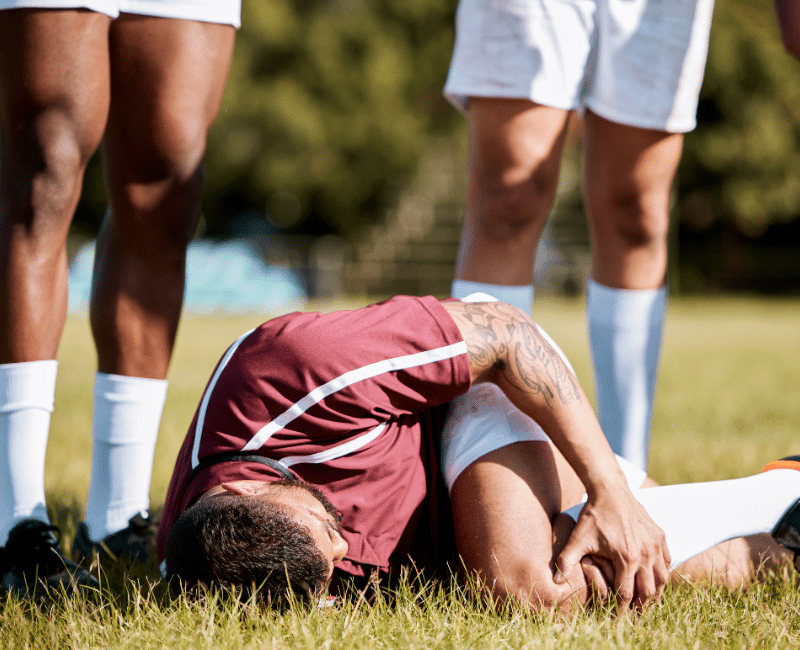
An unexpected injury that causes chronic pain or involves a long recovery can change our lives in minutes. It disrupts daily life and mobility, affecting personal and social life. Most people focus on healing bones, muscles, ligaments, and adapting to new changes. They ignore the less visible signs of emotional and mental effects of the injury, which play a crucial role in making a full recovery and resuming a regular life.
Healing is not just overcoming physical hurdles but also dealing with pain, frustration, fear, and uncertainty. Whether you are seeing a physiotherapist or a foot surgeon, they will recommend seeking mental health support to complement your physical recovery process. This blog discusses the hidden psychological tolls of injuries, the importance of support systems, and the benefits of integrated care for patients.
Hidden Emotional Toll of Physical Injuries
Physical injuries are not limited to pain and mobility issues. The initial shock of the incident overwhelms and disorients patients. People often fear the severity of the injury and its long-term consequences. When mobility and daily life are affected, the loss of independence causes emotional distress. When basic tasks like walking, eating, carrying heavy objects, and driving require additional support or extensive effort, it can lead to a sense of powerlessness that causes frustration.
Being unable to work, play sports, or indulge in hobbies can lead to anxiety and depression. Over time, negative thoughts can harm personal relationships, social life, and professionalism, affecting finances and causing isolation. Pain, fatigue, and financial strain cause people to prioritize medical treatment and healing, while ignoring feelings of sadness, fear, and frustration. However, acknowledging these emotions is an important part of recovery, boosting confidence and overall well-being.
How Physical Injuries Affect Mental Health
Disruption to daily routine negatively affects mental health. People constantly worry about recovery, and their thoughts turn negative. A lack of independence can be frustrating and lead to sadness, crying spells, and loss of confidence. Over time, withdrawal from hobbies and social isolation can cause depression.
Constantly worrying about health, mobility, and finances causes anxiety. Fear of reinjury, potential surgeries, and a lengthy recovery period are very common. This can lead to constant worrying, intrusive thoughts, difficulty focusing, irregular sleep, and increased heart rate. Nausea and difficulty breathing are also common in serious cases.
Injury due to traumatic events such as car accidents, serious falls, or sports incidents can shock people and make them relive life-threatening moments over and over again. Post-traumatic stress disorder affects memories and fight-or-flight responses, characterized by panic attacks, flashbacks, and heightened fear in similar situations. Chronic pain further complicates these emotional challenges. It is hard to stay optimistic, energetic, and patient when pain and discomfort reduce the quality of life every day.
All these impacts are not limited to the mind. Stress and anxiety impact sleep, muscle tension, and immune responses, slowing down the recovery process. Depression can reduce motivation and adherence to treatment plans. On the other hand, good mental health improves health and resilience. Understanding the impact of mental health allows patients and caregivers to address all aspects of a recovery plan.
Barriers to Seeking Support
Even after realizing the emotional challenges, people hesitate to seek professional mental health support after an injury. Social stigma is still the first hurdle. Getting psychological help is seen as a sign of weakness or not coping well with life. Other people believe that only physical issues require treatment, and mental health improves on its own. People tend to trivialize the importance of mental health.
Many patients and their caregivers tend to undermine the feelings of sadness and frustration as a regular part of recovery. Long wait times, limited access to professional services, and a lack of financial resources also create obstacles in seeking support.
Many caregivers and loved ones also tend to undermine emotional symptoms of injury. They tend to ignore or belittle patients when they express their problems and symptoms. Society also puts pressure on men to be tougher and push through the situation, rather than seeking help or offering emotional support. Cultural stigmas and gender biases also demand that people stay strong instead of reaching out for help from loved ones or professionals. These obstacles delay the healing process and make it overwhelming for the patient.
Why Mental Health Support is Important for Recovery
Physical and mental recovery go hand in hand. Mental health provides the confidence and support required to push through physical treatments and discomfort. Many studies show that any impact on mental health affects physical health and vice versa.
Good mental health becomes a catalyst in the recovery process. Addressing emotional challenges during recovery leads to faster and complete healing, encouraging people to take an active role in the process. Addressing problems such as anxiety, depression, and stress allows them to follow medical guidance and engage in physical therapy. Emotional support from friends and family increases motivation and improves resilience during setbacks or slow progress. Without support, even temporary stress turns into chronic anxiety and depression.
Pain is a constant component of the recovery process. Psychological coping mechanisms such as relaxation techniques and pain management strategies reduce the perceived intensity of pain. These strategies, along with counseling and other therapies, provide individuals with a sense of control and confidence. Integrating emotional support with medical treatments leads to better outcomes and a positive journey to healing.
Types of Mental Health Support
Different types of mental health support systems enhance the recovery process.
CBT (cognitive behavioral therapy) and ACT (acceptance and commitment therapy) are talk therapies that help people manage their problems and negative thoughts by changing how they think and behave. These therapies reduce pain catastrophising, improve self-efficacy and control, and regulate sleep disorders. Trauma-informed therapy addresses the fear of those suffering from traumatic or life-threatening incidents. Pain psychology helps address chronic pain issues, while sport psychology deals with performance anxiety.
Support groups include members who are going through similar injuries. Each individual shares their struggles and progress and tries to keep one another motivated through the process. This creates a sense of belonging and accountability. At home, people can practice mind-body practices such as meditation, breathing exercises, and mindfulness for relaxation and emotional regulation.
Physical therapists, physicians, and mental health therapists can form a holistic rehabilitation plan to enhance the physical and emotional well-being. Patients can also adopt self-care activities, such as journaling and meditation, to improve focus and regulate feelings. Pacing helps to keep the mind active and clear the brain fog. Setting realistic recovery goals improves motivation and well-being throughout the recovery.
How Loved Ones and Caregivers Can Help
While professionals perform their magic, loved ones and caregivers can positively influence the recovery journey. Start by providing empathy and emotional validation for the symptoms to make the patient feel understood.
Loved ones should offer support when asked, but refrain from over-assistance. It can leave the patient feeling helpless. Allow patients to resume daily activities, but help with house chores and complicated tasks like driving to reduce stress and anxiety. A balanced independence boosts their confidence and eases the mental load of chores.
Encourage patients to rest, pace, and seek professional help for their emotional stress. Loved ones can create a positive and inclusive setting for recovery with continued support, compassion, and patience.
Final Thoughts
Mental health support is a crucial yet overlooked aspect of injury recovery. Without a positive mindset and motivation, the recovery becomes challenging and might take longer. People suffering from painful injuries require support to deal with anxiety, stress, and depression. Mental support from loved ones and professionals makes achieving recovery goals easier and faster. Seeking mental support is a positive step towards accelerated healing and a better quality of life.


