
Dance Fitness Routines: 10 Beginner Workouts to Support Mood and Mental Well-Being
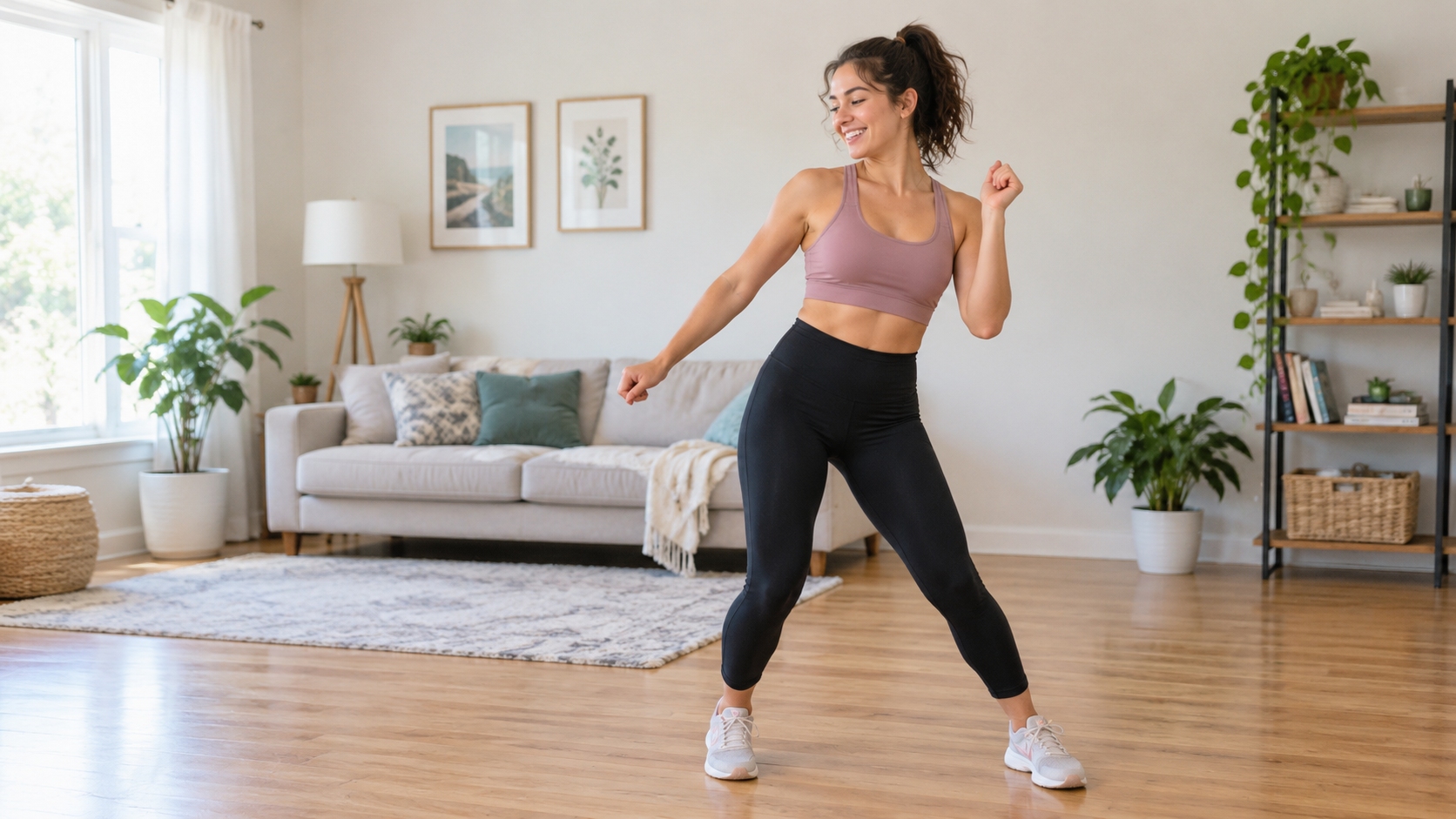
A difficult day can make even a short workout feel out of reach. Dance offers another way to begin: put on a familiar song, move at your own pace, and give yourself permission to enjoy the process rather than perform perfectly.
Dance fitness routines combine movement with music, rhythm, and sometimes learning new steps. For beginners, that combination can create a manageable opportunity to be active, redirect attention, and reconnect with the body. Some people feel more energized or relaxed afterward; others may simply appreciate a break from their routine. Neither response is a measure of success.
Dancing is not a substitute for mental-health care. Still, when practiced safely and consistently, it can be one useful part of a broader approach to emotional and physical well-being.
How Dance Fitness Can Support Mental Health
Mood, Stress, and the Benefits of Moving
Physical activity is associated with better mental and physical health. According to the Centers for Disease Control and Prevention (CDC), a single session of moderate-to-vigorous activity can reduce short-term feelings of anxiety, while regular activity can lower the risk of depression and support better sleep. These findings concern physical activity broadly; they do not mean every dance session will immediately improve someone's mood.
Dance adds personal choice and music to exercise. Selecting a song that feels comforting or energizing can make movement more appealing, while repeating a simple step sequence can offer an absorbing task when the mind feels busy. These are possible reasons people enjoy dancing, not guarantees of a clinical benefit.
Research specifically examining dance and mental health is promising but mixed. A 2024 systematic review and meta-analysis published in Behavioral Sciences found reduced depressive symptoms among older adults participating in dance interventions compared with inactive control groups. However, the researchers rated the evidence as very low certainty and could not draw firm conclusions about anxiety.
Another 2024 systematic review published in Body, Movement and Dance in Psychotherapy examined dance therapy interventions targeting stress and depression. Its pooled findings did not demonstrate statistically significant reductions in these symptoms.
These studies also examined specific populations and interventions. Structured dance therapy, recreational dancing, and following a beginner dance fitness video at home are not interchangeable activities.
The practical takeaway is modest: dance may help some people feel better and develop an enjoyable activity habit, but persistent anxiety, depression, or emotional distress deserves assessment and support from a qualified professional.
Attention, Memory, and Confidence
Following choreography involves listening, sequencing, and adjusting movements. That makes dance mentally engaging, especially when learning a few steps and practicing them over time.
A systematic review and meta-analysis published in Age and Ageing examined dance interventions and cognitive function in older adults. The researchers found possible improvements in some measures of overall cognitive function, while results for specific outcomes such as attention and memory were less consistent.
Importantly, these findings do not establish that a beginner dance routine improves memory or concentration for everyone.
You can still use choreography as a gentle focus exercise: learn a four-count sequence, repeat it, and notice your progress. If memorizing steps becomes frustrating, switch to freestyle. Enjoyment matters more than getting every move right.
Cardiovascular Health and Realistic Expectations
Dance can count as aerobic activity when movements are continuous and energetic enough to increase breathing and heart rate. Its cardiovascular benefits depend on intensity, duration, and consistency rather than the name of the dance style.
The American Heart Association emphasizes that regular aerobic activity supports cardiovascular health and recommends gradually increasing physical activity over time.
The CDC also identifies dancing as a form of physical activity that can reach moderate or vigorous intensity, depending on how it is performed.
One practical way to understand exercise intensity is the talk test. According to the CDC's guidance on measuring physical activity intensity, someone exercising at moderate intensity can generally talk but cannot sing comfortably.
Gentle swaying and short practice breaks still have value, even if they do not always meet the threshold for moderate-intensity exercise.
Getting Started Without Pressure
Begin with 10–15 minutes, including a few minutes of easy marching or side steps to warm up. Choose a clear, non-slip floor, supportive shoes if appropriate, and movements that fit your mobility and energy level. Cool down gradually afterward.
Before pressing play, ask yourself how you feel: tense, tired, restless, or upbeat? Then choose a routine that matches what you need today rather than forcing a high-intensity workout.
On low-energy days, five minutes of relaxed movement may be a more sustainable choice than an ambitious plan.
10 Beginner Dance Fitness Routines for Body and Mind
1. Zumba-Inspired Dance Cardio — For an Energy Boost
Try side steps, marching, and alternating arm reaches to lively Latin-inspired music. Repeat a simple combination before adding new movements.
This can raise your heart rate and offer a change of pace after a sedentary day. Keep the tempo comfortable, especially if fast choreography feels overwhelming.
2. Jazz Dance Workout — For Creative Expression
A jazz dance workout pairs expressive movements with coordinated footwork and arm patterns. Start with step-touches, shoulder rolls, and small, controlled kicks. Join three movements into a short sequence and repeat it.
Some beginners enjoy the sense of expression that comes with jazz, while others like the challenge of learning a sequence.
For a structured introduction, explore a jazz dance workout. Keep turns and kicks low-impact until your balance and confidence improve.
3. Hip-Hop Dance Fitness — For Rhythm and Self-Expression
Begin with a gentle bounce, side-to-side stepping, and simple arm patterns.
Hip-hop-inspired movement leaves room to adapt the choreography to your own style. If comparing your moves with an instructor makes you self-conscious, slow the music and focus on one pattern at a time.
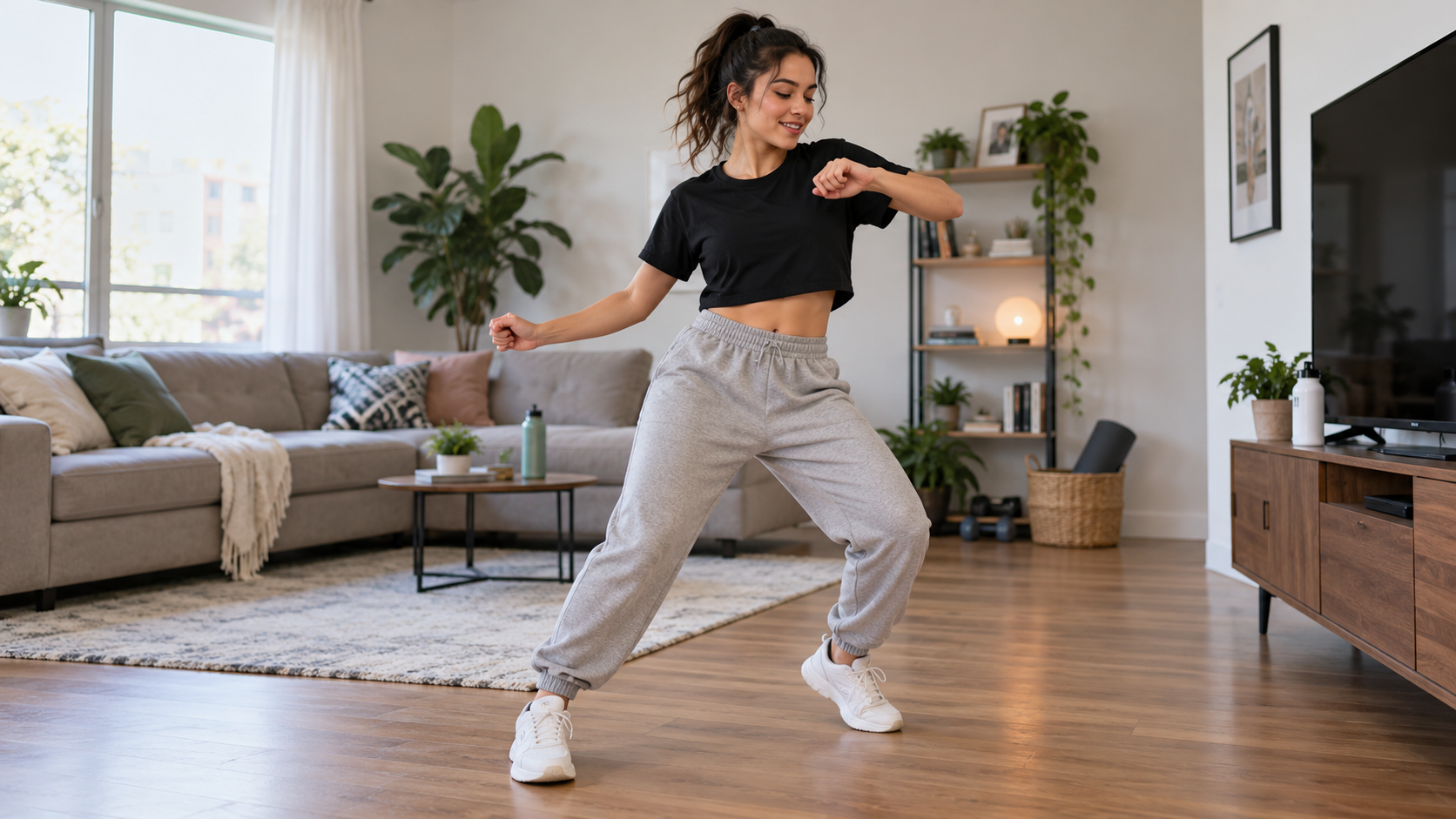
4. Salsa Dance Workout — For Focus and Coordination
Practice forward-and-back basic steps before adding side steps or easy turns.
Counting the rhythm can provide a specific point of attention, especially when you're distracted. You can dance alone, and you do not need a partner or advanced technique to begin.
5. Bollywood-Inspired Dance Fitness — For Playful Movement
Combine alternating steps, soft knee bends, and expressive arm gestures. Learn a short phrase, then repeat it with music you enjoy.
This style can involve both upper- and lower-body movement, but the pace and range of motion are entirely adjustable.
6. Low-Impact Dance Cardio — For Overwhelming or Low-Energy Days
Use marching, heel taps, step-touches, and easy arm swings while keeping one foot on the floor.
This is a useful option if jumping feels uncomfortable or you want a gentler entry point. A calm, predictable routine can be easier to approach than complicated choreography.
7. Ballet-Inspired Fitness — For Slow, Attentive Movement
Try supported heel raises, shallow pliés, and gentle leg extensions while holding a sturdy chair as needed.
Concentrate on controlled, comfortable movement rather than perfect posture. Avoid forcing turnout or stretching beyond your natural range.
8. Pop Dance Workout — For Familiarity and Enjoyment
Pick a favorite song and pair the chorus with easy repeating moves: march, step-touch, reach, and turn gently.
Familiar music may make it easier to start and continue. There is no need to reproduce a music video's choreography.
9. Afrobeat-Inspired Dance Fitness — For Full-Body Movement
Try relaxed knee bends, alternating steps, hip movement, and natural arm swings to an upbeat rhythm.
Start slowly and choose a tutorial that explains the steps clearly. Focus on the music and movement rather than getting every detail right on the first attempt.
10. Freestyle Dance — For Freedom From Perfection
Put on one song and move in whatever comfortable way feels natural: sway, march, step, reach, or pause.
Freestyle is especially useful when following instructions adds stress. It is also an option for those who want to connect with music without measuring performance.
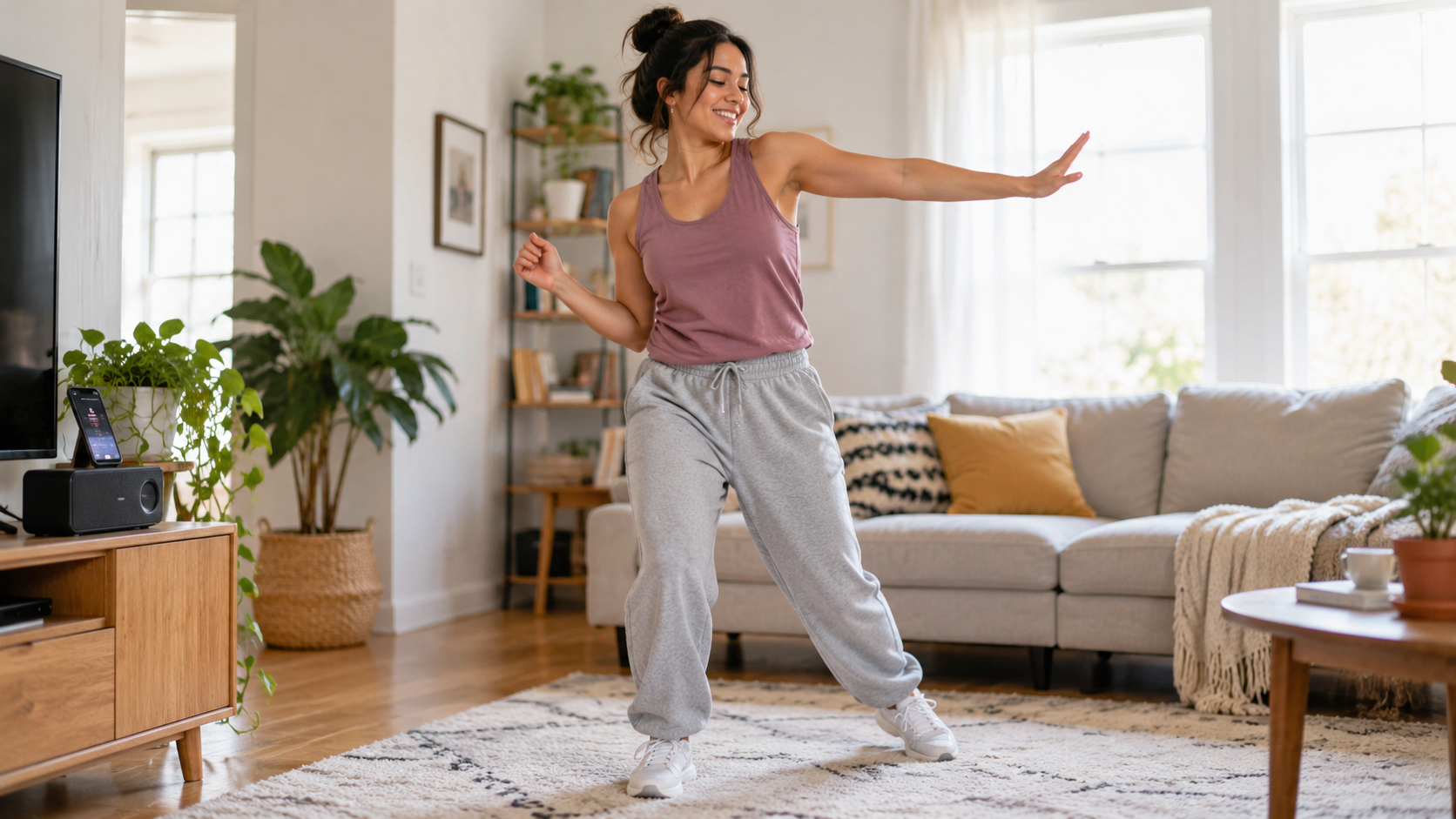
Build a Beginner Dance Routine That Supports Emotional Well-Being
Try a Gentle Weekly Plan
- Monday: 10–15 minutes of low-impact cardio; notice your energy before and after.
- Wednesday: 15–20 minutes of jazz or pop; practice one repeatable sequence.
- Friday: 10–15 minutes of salsa, hip-hop, or freestyle; choose based on your mood.
- Weekend: Optional relaxed dancing, walking, stretching, or rest.
This starter schedule is not a substitute for the full weekly activity recommendation.
According to the World Health Organization's guidelines on physical activity and sedentary behaviour, adults should aim for 150–300 minutes of moderate-intensity aerobic activity or 75–150 minutes of vigorous-intensity activity per week, or an equivalent combination.
The CDC's adult physical activity guidelines also recommend muscle-strengthening activities on at least two days per week.
Beginners can work toward these recommendations gradually. Even shorter sessions can contribute to a more active lifestyle.
Check In With Yourself, Not Just Your Step Count
Consider tracking two things after each session: how manageable the workout felt and whether your mood, stress, or energy changed.
You might write, "Ten minutes felt doable," or "I still feel anxious, but I enjoyed the song."
Both are useful observations. Avoid treating a mood score or calorie count as proof that a session succeeded or failed.
If a dance style makes you feel judged, frustrated, or physically uncomfortable, switch it. Your routine should adapt to your needs, not the other way around.
Safety and When to Seek Additional Support
Warm up and cool down, hydrate as needed, avoid slippery floors, and stop if you experience pain, chest discomfort, dizziness, or unusual shortness of breath. Seek appropriate medical attention for concerning symptoms.
People with medical conditions, injuries, or concerns about exercise should seek individualized medical advice.
Dance can complement, but cannot replace, professional support for mental-health symptoms. If low mood, anxiety, or other distress persists, interferes with daily life, or worsens, contact a qualified mental-health professional.
A workout does not need to make you feel happy afterward to be worthwhile, and choosing rest when you need it is not a failure.
Frequently Asked Questions
Can Dance Fitness Routines Help With Stress and Anxiety?
They may help some people manage everyday stress and feel better in the short term. The CDC reports that moderate-to-vigorous physical activity can reduce short-term feelings of anxiety.
However, evidence for physical activity in general is stronger than evidence that beginner dance workouts specifically treat an anxiety disorder. Persistent or disruptive anxiety should be discussed with a qualified professional.
Which Dance Workout Is Best When I'm Feeling Overwhelmed?
Try low-impact dance cardio or freestyle dancing for five to ten minutes.
Simple, repeatable movements may feel more manageable than complex choreography. The best choice depends on your comfort and preferences, and rest is also a valid option.
Does Learning Dance Steps Improve Memory and Concentration?
Learning choreography involves attention, coordination, and sequencing.
A 2021 systematic review in Age and Ageing suggests that dance programs may benefit some aspects of cognitive function in older adults. However, findings for memory and complex attention were less consistent, and improvements cannot be assumed for all beginners.
Can a Jazz Dance Workout Improve Heart Health?
It can contribute to aerobic activity when movements are performed continuously at moderate or vigorous intensity.
The American Heart Association recognizes regular aerobic exercise as an important part of cardiovascular health. Gentle dance practice alone may not provide the same aerobic stimulus.
How Often Should Beginners Do Dance Fitness?
Start with two or three short sessions weekly if that feels manageable, then increase gradually.
The World Health Organization recommends that adults work toward 150–300 minutes of moderate-intensity aerobic activity weekly, or 75–150 minutes at vigorous intensity, alongside muscle-strengthening activities.
Conclusion
The best dance fitness routine for beginners is not necessarily the fastest or most complicated. It's the one you can approach comfortably and return to consistently.
From expressive jazz and upbeat pop to gentle low-impact steps and freestyle movement, dancing offers different ways to be active, engage attention, and make room for enjoyment.
Research supports physical activity as part of a healthy lifestyle and suggests that dance may offer emotional benefits for some people. However, the evidence is not strong enough to promise relief from mental-health conditions.
Start small, choose movement that feels supportive, and let progress develop without pressure.
Evidence Notes and Supporting References
The following sources support the article's discussion of mental health, cognitive function, cardiovascular health, exercise intensity, and weekly physical activity recommendations.
1. Centers for Disease Control and Prevention (CDC). Benefits of Physical Activity. Updated December 4, 2025.
Supports claims about short-term anxiety reduction, the relationship between regular physical activity and depression risk, and sleep benefits.
Source: https://www.cdc.gov/physical-activity-basics/benefits/index.html
2. Prudente, T. P., et al. (2024). Effect of Dancing Interventions on Depression and Anxiety Symptoms in Older Adults: A Systematic Review and Meta-Analysis. Behavioral Sciences, 14(1), 43.
Examines dance interventions and depressive and anxiety symptoms in older adults, including limitations related to evidence certainty.
Source: https://doi.org/10.3390/bs14010043
3. Christopher, N., Dumaresq, E., & Tamplin, J. (2024). Dance Therapy as an Intervention for Stress and Depression: A Systematic Review and Meta-Analysis. Body, Movement and Dance in Psychotherapy.
Provides additional evidence regarding dance therapy, stress, and depression, including the absence of statistically significant symptom reductions in its pooled analysis.
Source: https://doi.org/10.1080/17432979.2024.2377389
4. Hewston, P., et al. (2021). Effects of Dance on Cognitive Function in Older Adults: A Systematic Review and Meta-Analysis. Age and Ageing, 50(4), 1084–1092.
Supports the discussion of cognitive function, executive function, attention, and memory in older adults participating in dance interventions.
Source: https://doi.org/10.1093/ageing/afaa270
5. American Heart Association. American Heart Association Recommendations for Physical Activity in Adults and Kids.
Supports the relationship between regular aerobic activity and cardiovascular health, including recommendations for exercise frequency and intensity.
Source: https://www.heart.org/en/healthy-living/exercise-and-physical-activity/fitness-basics/aha-recs-for-physical-activity-in-adults
6. Centers for Disease Control and Prevention (CDC). How to Measure Physical Activity Intensity.
Supports the explanation of moderate- and vigorous-intensity aerobic activity and the practical talk test.
Source: https://www.cdc.gov/physical-activity-basics/measuring/index.html
7. World Health Organization (WHO). (2020). WHO Guidelines on Physical Activity and Sedentary Behaviour: At a Glance.
Supports the recommended weekly amounts of moderate- and vigorous-intensity aerobic physical activity for adults.
Source: https://www.who.int/publications/i/item/9789240014886
8. Centers for Disease Control and Prevention (CDC). Adult Activity: An Overview.
Supports recommendations for adult aerobic activity, muscle-strengthening exercises, and gradually increasing physical activity.
Source: https://www.cdc.gov/physical-activity-basics/guidelines/adults.html
Note from Counseling Now. This guest article is a paid placement. Counseling Now does not endorse EverDance or any commercial workout app named here. Dance fitness is not a substitute for mental health care. If anxiety, depression, or other mental health concerns persist, talk with a qualified professional.