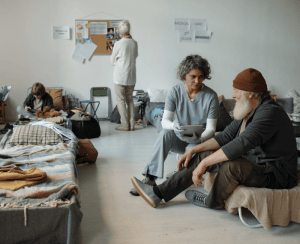

Professional burnout has a way of sneaking up on people. At first, it might look like ordinary tiredness after a busy week. Then the weekend stops feeling long enough to recover. Motivation disappears, small tasks become strangely difficult, and even checking an inbox can feel exhausting.
Burnout is often discussed as a workplace problem. However, its effects do not necessarily stay at work. Long periods of stress can influence sleep, mood, concentration, relationships, and physical well-being. That is one reason recovery is not always as simple as taking a vacation or making a few changes to a to-do list.
A more holistic approach looks at how the mind and body respond to prolonged pressure together. Mindfulness, gentle movement, breathing exercises, massage, yoga, meditation, and other complementary wellness techniques can become part of a broader recovery plan alongside appropriate medical or psychological care. The goal is not to find one miracle technique. It is to create enough opportunities for genuine rest, regulation, connection, and healthier routines that recovery becomes sustainable.

The Hidden Impact of Chronic Workplace Stress on the Nervous System
Stress is not a bad thing in and of itself. The body’s stress response is designed to help us deal with challenges. As a deadline looms, the brain sees pressure, and the body becomes more alert. There may be an increase in heart rate, muscle tension, and focus on the problem at hand. Ideally, that is a temporary activation. The challenge passes. The body receives a chance to relax.
With that temporary stress turning into everyday stress, it can lead to professional burnout. A person may find themselves having to deal with massive workloads, endless notifications, lack of staff, conflict, lack of job security, or the feeling of always being behind, for months. Their brains might replay conversations or mull over tomorrow’s tasks even after work is done. Over time, chronic workplace stress may show up in different ways:
- Difficulty falling asleep or waking up feeling unrested
- Persistent muscle tension, particularly around the shoulders, neck, and jaw
- Irritability and stronger emotional reactions to relatively small problems
- Difficulty concentrating or making everyday decisions
- Headaches or digestive discomfort
- Loss of enthusiasm for work that once felt rewarding
- Feeling emotionally detached from colleagues, clients, or responsibilities
- Persistent fatigue that does not disappear after a normal weekend
Recovery requires more than intellectually recognizing that you are stressed. Slow breathing, meditation, time outdoors, gentle physical activity, and other relaxation practices can provide deliberate moments where the pace changes.
Moving Beyond Talk Therapy to Release Stored Stress and Somatic Tension
Talk therapy can be an important resource for people experiencing burnout. It can help them understand patterns, establish boundaries, work through difficult emotions, and rethink beliefs that may be contributing to chronic overwork. But some people also find it useful to incorporate body-focused approaches into their broader recovery strategy.
Think about what happens during a stressful meeting. You might clench your jaw without noticing it. Your shoulders creep upward. Your breathing becomes shallow. Maybe your stomach tightens. The meeting ends, but some of that tension can stick around. Repeat that experience several times a day for months. Thus, physical tension can start feeling normal.
Mind-body practices bring attention back to those physical experiences. Yoga, stretching, massage, progressive muscle relaxation, tai chi, mindful walking, and controlled breathing are all different ways of slowing down enough to notice what the body is doing.
Movement can help too. Burnout often creates an awkward relationship with exercise. Some people stop moving because they are exhausted. On the other hand, others turn workouts into another performance metric focused on distance, weight, speed, or numbers.
Recovery-oriented movement has a different purpose. A slow walk, gentle yoga session, or relaxed swim does not need to produce a personal record. The point is simply to move, reconnect with the body, and create some separation from professional demands.
Creating Multi-Faceted Care Plans for Long-Term Mental Restoration
When we’re burnt out, one of the challenges is looking for a quick fix. Individuals might think they only need to get therapy, go on a vacation, or take in more exercise or a sleep pattern. Any of those could be a help. But there may be multiple causes of burnout. That’s because recovery is more likely to be effective if it focuses on multiple life aspects simultaneously.
Additional interventions may be psychosocial interventions, psychological support, improving sleep, physical activity, changes to workload, social connection, nutrition, relaxation, and technology boundaries. It will, of course, vary from person to person.
Sleep is a no-brainer. Feeling emotionally restored is hard to come by when you’re not getting a good night’s sleep. Having more consistent sleeping rituals, limiting late-night work, and ensuring that work equipment is not in the bedroom can help to create a better separation between work and rest.
The boundaries of work are also of significance. However, if the environment that is causing burnout doesn’t change, getting better is going to be pretty difficult. Maybe they should talk with their manager about responsibilities and delegate tasks, or they should take annual leave, or maybe they just shouldn’t check messages outside working hours, or maybe they should think about whether their job is something they can perform in the future.
There’s the other stuff that burnout displaces. Hobbies disappear. Social plans are postponed. Exercise becomes inconsistent. Eating meals in front of a laptop. As time goes on, work consumes more and more of the mind, and there’s not much left. Some of those pieces are put back in a deliberate way in a holistic recovery plan.
Building Collaborative Healthcare Teams to Offer Comprehensive Patient Care
Burnout can involve emotional, behavioral, social, and physical factors. So, supporting recovery may sometimes involve professionals from different disciplines. A psychologist or counselor might focus on emotional patterns, coping strategies, boundaries, or work-related anxiety. A physician can assess physical symptoms and rule out other conditions that may be contributing to fatigue or changes in sleep and mood. Physiotherapists, dietitians, occupational health specialists, and other qualified professionals may become involved depending on the person’s needs.
Some wellness settings also cover complementary practitioners offering services focused on relaxation and mind-body well-being. For practice managers interested in expanding this side of care, exploring jobs for reiki practitioners can provide a better understanding of how complementary wellness professionals may fit into different wellness settings and multidisciplinary teams.
Holistic healthcare works best when different services have clear roles rather than competing with one another. A complementary practitioner should not be expected to diagnose a psychiatric condition. At the same time, a psychotherapist does not need to provide every form of physical relaxation therapy.
Good collaboration also means understanding limits. If someone’s exhaustion could have a medical cause, proper medical assessment matters. If they are experiencing significant mental health difficulties, qualified mental health support should be prioritized. Complementary approaches can then be considered for what they actually offer rather than being presented as universal cures.
This model gives people options. One person might respond well to therapy plus regular yoga. Another might benefit most from workplace changes, medical support, and walking outdoors. Someone else may prefer meditation, massage, and counseling. There does not have to be one perfect recovery formula.
Establishing Daily Mindful Habits to Prevent Emotional Exhaustion
Burnout is a thing that can really be recovered from. Another is living a lifestyle that reduces the likelihood of another episode. This is where the little things add up to a big difference. Mindfulness doesn’t always have to be sitting down silently for an hour in the morning. It can be as simple as making a few moments that are not “five ways up the wall”.
Some helpful habits might be to take several deep breaths before opening the laptop, eat lunch and not look at the laptop, walk for no less than 10 minutes before checking a phone, or stretch in between meetings.
Working from home and remote working have made it hard to distinguish between work and personal life for many people. If the journey to and from the sofa is five steps away from the desk, sometimes the brain doesn’t make a clear enough connection between work and home. It is important to establish an easy ritual at the end of work to help re-establish that separation. Turn off the laptop, change clothes, go for a short walk, make tea, or turn on the music. The details of the ritual are not as important as the consistency.
Early warning signs are also important to note. As sleep begins to deteriorate, Sunday evenings start to become more stressful, or a little more hurt equals a lot more pain. Finally, there’s nothing so good about holistic burnout recovery as being better at tolerating unlimited stress. It is a matter of cultivating a new and healthier work/rest/bodys/himself/herself relationship.
Mind-body practices can assist in that process. They provide people with tools to help them slow down and reconnect with themselves. With proper treatment, constructive work modifications, supportive connections, and sensible habits, they can be a vital component of a far more extensive transition from perpetually operating on empty to a way of life in which healing doesn’t just happen when you get hit again. Also, check this mental health guide to arm yourself with the right practices.