Few things wear you down more quietly than a string of restless nights and a body that never quite drops out of fight-or-flight mode. Recovery practices that calm the nervous system, sauna use among them, have moved from niche to mainstream for a reason. This piece looks at what the research actually says about sauna sessions for mood, sleep, and stress, and where they fit alongside professional mental health care.
The Connection Between Sauna Use and Sleep Quality
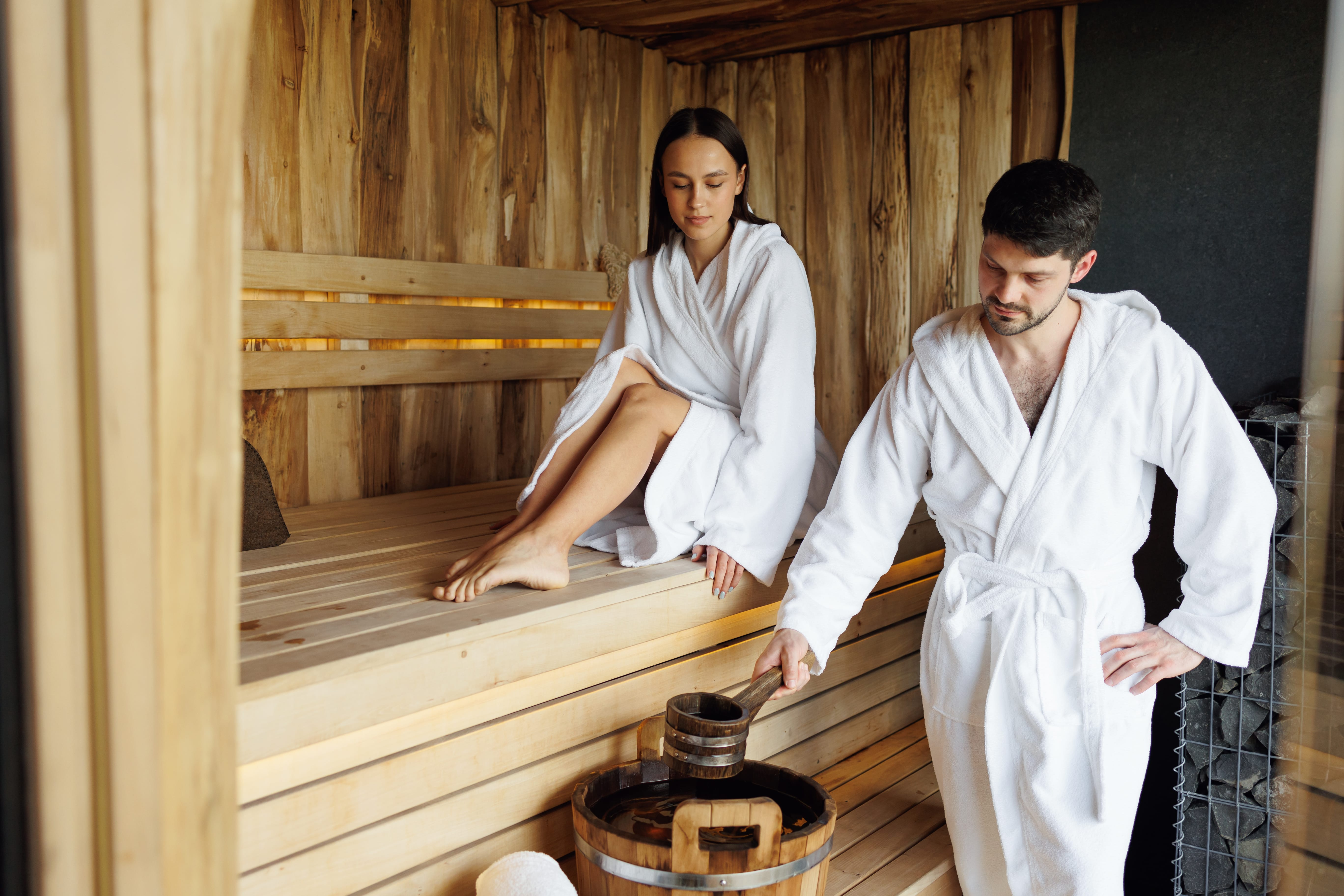
Sleep is often the first thing to go when stress runs high, and it is one of the clearest places sauna users notice a difference. Surveys of regular bathers consistently flag better sleep as a top-reported benefit. In the Global Sauna Survey of more than 480 regular users, 83.5% reported improvements in sleep, with most describing the effect lasting one to two nights after a session.
The proposed mechanism is straightforward. Core body temperature has to drop for sleep onset to happen smoothly. A sauna session raises body temperature in the short term, and the cool-down period that follows accelerates the natural temperature decline the body looks for in the hours before bed. Many users describe the post-sauna state as physical heaviness that makes it easier to fall asleep and stay asleep.
The other piece is stress. Lower cortisol levels in the evening allow melatonin to rise on schedule, and several small studies suggest that regular heat exposure helps with that timing. For people who already use a sauna for sleep and recovery as part of an evening wind-down, the goal is usually consistency rather than intensity.
A few practical points:
● Timing matters: Most users find that finishing a session 60 to 120 minutes before bed gives the body enough time to cool down before lights out.
● Hydration before and after: Sauna sessions cause noticeable fluid loss, and dehydration can disrupt sleep on its own.
● Session length: Beginners often start with 10 to 15 minutes at moderate temperatures. There is no need to push for endurance early on.
Why Recovery Practices Matter for Mood and Stress
Chronic stress changes the body in ways that go well beyond feeling “on edge.” Elevated cortisol, shallow breathing, muscle tension, and disrupted sleep all reinforce each other, making it harder to think clearly during the day and harder to wind down at night.
When the nervous system stays in a state of activation for too long, mood often suffers too. People become more reactive, less patient, and more prone to anxious thoughts. Building deliberate recovery windows into the week is one way to interrupt that cycle, which is why practices ranging from breathwork to time outdoors come up so often in guides on common ways to cope with anxiety. Even short breaks can help reduce that sense of overload.
Heat exposure works on a similar principle. A sauna session warms the body, raises heart rate moderately, and is then followed by a controlled cool-down. The recovery phase mimics the parasympathetic shift the body experiences after gentle exercise, which is part of why so many users describe the aftereffect as a deep physical calm.
How Sauna Heat Supports Mood and Stress Recovery
Beyond sleep, the research base for sauna use and mood is steadily growing. A comprehensive Mayo Clinic Proceedings review of the evidence found that regular sauna bathing is associated with reductions in cardiovascular risk, blood pressure, and inflammation, and that the feelings of relaxation and mental well-being reported by users may be linked to increased endorphin release.
A few mechanisms appear to be at play:
● Endorphin response: Heat exposure triggers the release of beta-endorphins, the same compounds tied to the calm feeling people describe after exercise.
● Autonomic balance: Sauna sessions stabilize the autonomic nervous system, shifting the body toward parasympathetic (rest and digest) activity in the recovery phase.
● Inflammation reduction: Chronic low-grade inflammation has been linked to depressive symptoms, and regular heat exposure appears to lower several inflammatory markers over time.
● None of this turns sauna use into a treatment for clinical depression or anxiety. But the cumulative effect of small, regular nervous-system resets can take real pressure off the body, which often shows up as a steadier mood and a longer fuse during stressful weeks.
Building a Sauna Routine That Supports Your Mental Health
The best routine is the one you can actually sustain. That usually means starting small and treating sauna time as part of a wider recovery toolkit rather than the centerpiece of it.
Many of the same principles apply to other forms of restorative time, whether that means a walk in the park, a yoga session, or a road trip that helps ease daily stress. What these activities share is a shift away from constant stimulation and a return to experiences the nervous system recognizes as safe.
A starting framework that works for most people:
● Frequency: Two to four sessions per week is enough to build a habit and start noticing effects on sleep and mood.
● Duration: 10 to 20 minutes per session is reasonable for most adults. Listen to the body before pushing further.
● Pairing: Following a session with a warm shower, light stretching, or quiet reading helps lock in the calm state instead of jumping straight back to screens.
● Tracking: Noting how sleep, mood, and energy shift over a few weeks helps separate genuine benefits from placebo enthusiasm.
People with cardiovascular conditions, who are pregnant, or who have other medical concerns should consult their doctor before using a sauna.
When to Seek Additional Mental Health Support
Recovery habits matter, but they have limits. Sauna sessions cannot replace evidence-based treatment for depression, anxiety disorders, trauma, or persistent insomnia. A recent population-level study, the northern Sweden MONICA survey, found that sauna users reported better sleep and higher well-being than non-users, though the authors were careful to note that observational findings cannot prove cause and effect on their own.
Some signs that it is time to add professional support to a self-care routine:
● Sleep problems that persist for more than a few weeks despite consistent recovery habits.
● Low mood, hopelessness, or loss of interest that lasts most of the day for two weeks or longer.
● Anxiety that interferes with work, relationships, or daily tasks.
● Reliance on alcohol, substances, or other coping strategies that feel hard to control.
In any of these cases, talking with a licensed therapist or psychiatrist is the appropriate next step. Self-care practices, including sauna use, work best as part of a wider plan, not as a substitute for treatment.
Key Takeaways
Regular sauna use shows promise for supporting better sleep, steadier mood, and faster stress recovery, with most of the benefit tied to the body’s parasympathetic response and the cool-down that follows a heat session. A modest, sustainable routine tends to deliver more than occasional long sessions, and the effects are most useful when paired with other recovery habits, good sleep hygiene, and time outdoors.
What sauna use will not do is replace mental health care for someone who needs it. When sleep, mood, or anxiety issues persist despite consistent recovery practices, it may be time to seek professional support rather than relying on self-care alone.